Virginia Hall’s Intelligence Legacy: The Spycraft That Helped Win WWII

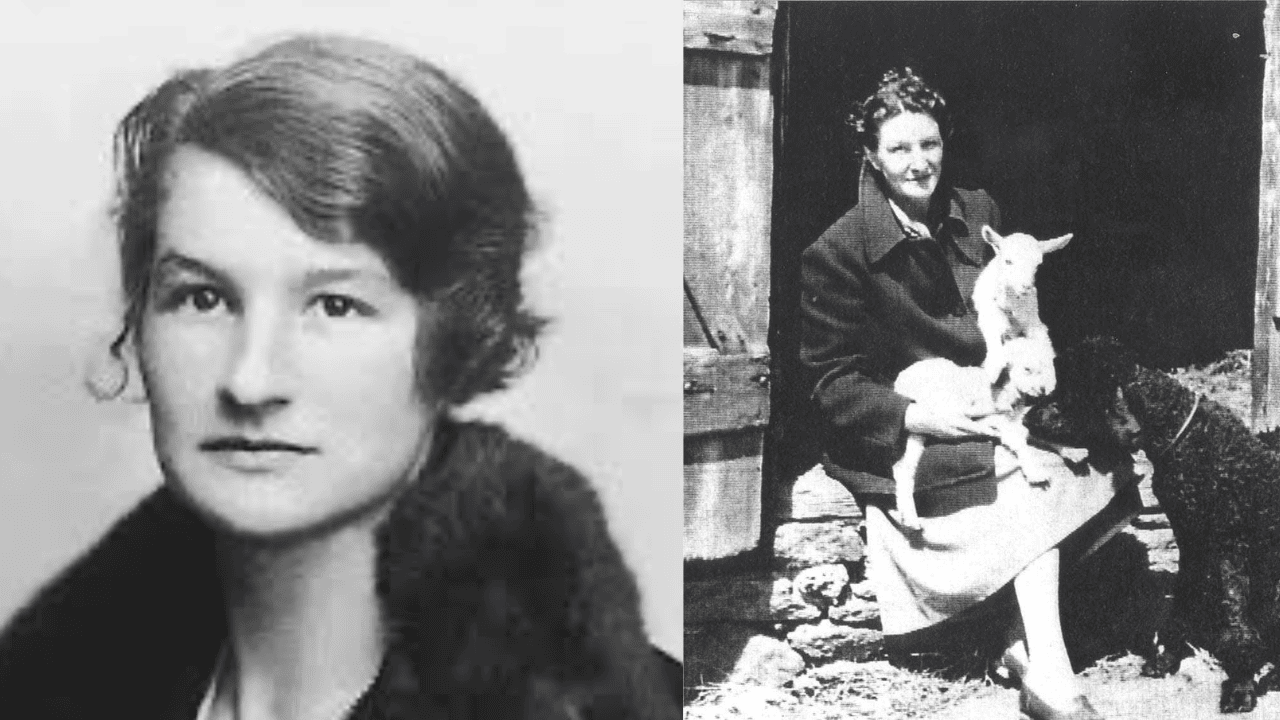
Virginia Hall Goillot was far more than a remarkable intelligence officer – she was a resistance architect, a force multiplier in the Allied victory, and one of the most successful covert operators of World War II. Her tale is not a Hollywood script but a history of ingenuity, toughness, and unrelenting determination that forever altered the course of wartime intelligence and continued to impact intelligence policy well after the shooting stopped.
The Making of a Reluctant Spy
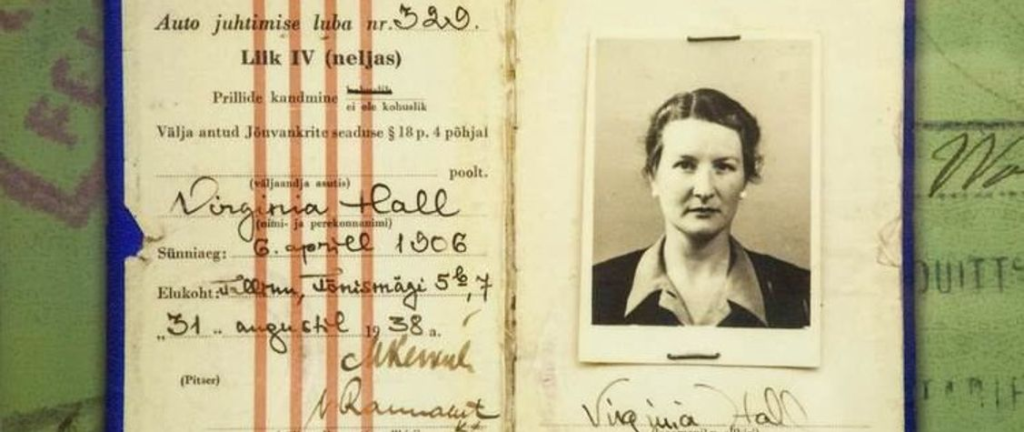
Born on April 6, 1906, in a rich Baltimore family, Virginia Hall was the embodiment of hope for a worldly and educated young woman. Her background offered her a career in diplomacy; she was well-versed in multiple languages and trained for a life in foreign service. But her entry into the international world was not smooth sailing but rather a struggle.
Hall, a clerk in the U.S. Foreign Service in Warsaw and Turkey, suffered from a hunting accident that resulted in the loss of her left leg below the knee. Despite her ambitions to become a diplomat, she was rejected from the Foreign Service because of her physical disability, although she was not lacking in intellect or skill. Her prosthetic leg, which she named Cuthbert, symbolized strength rather than weakness.
Virginia Hall From Ambulance Driver to Secret Agent
When Germany invaded France in 1940, Hall was in the country and quickly volunteered as an ambulance driver for the French Army Medical Corps. She moved through the French countryside, carrying injured soldiers as the German army closed in. Hall’s French language skills and knowledge of European geography quickly made her a valuable resource beyond her medical work.
After the surrender of France and her subsequent escape to London, Hall wanted to be more actively involved in fighting Nazi control. She joined the British Special Operations Executive (SOE) in April 1941. The SOE was founded by Winston Churchill for the purpose of sabotage, espionage, and support of resistance in occupied Europe. In August of that year, Hall returned to Vichy France, becoming the first female SOE agent to work in the country for an extended period.
Virginia Hall Establishing the Heckler Network
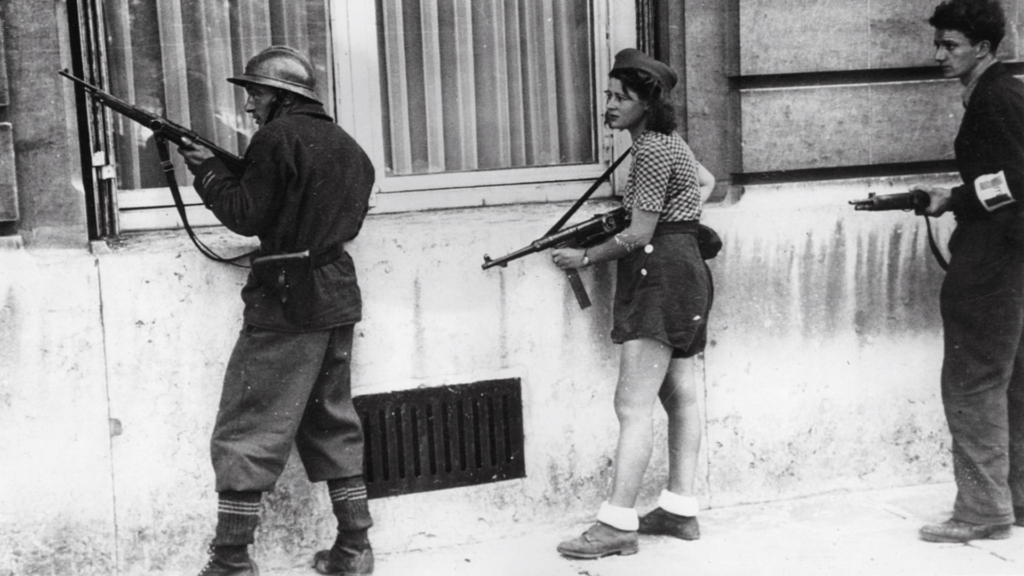
In Lyon, Virginia Hall’ extended well beyond the bounds of passive intelligence gathering. Using the cover of being a reporter for the New York Post, she established and nurtured the Heckler network – a covert system of informants, safe houses, and resistance fighters determined to resist the German occupation. Her activities included organizing funds, arms, communications equipment, and even safe passage for downed Allied airmen.
The agents working under the supervision of Hall were entrusted with high-risk missions. Hall was responsible for espionage reporting, which was sent back to London. She also provided detailed intelligence about the German troop movements, infrastructure, and plans. Her network comprised a vast range of French men and women. Some of them included people like Germaine Guérin, a brothel owner who turned her brothel into a secret haven and source of information, and Jean Rousset, a local gynecologist whose knowledge of medicine helped wounded soldiers and refugees.
Hall managed to evade capture for more than 15 months despite the rising risks and extensive efforts of the Gestapo to capture her. Her keen sense of operational security, which included her decision not to attend an SOE agent meeting that was later stormed by French police, ensured that she was one of the few intelligence officers who remained at large in occupied France.
A Legendary Escape and Return
However, by late 1942, the German army had effectively occupied the entire nation of France, and it became impossible for Hall to remain there undetected. She embarked on a difficult journey through the Pyrenees to Spain, facing conditions that would have daunted even the most experienced soldiers. Arrested temporarily due to some problems with her papers, Hall was imprisoned in Spain before being released and returning to London.
Although her British controllers felt that her cover had been blown and that she should not return to the mission, Hall still had some work to do. In March 1944, she returned to French soil for the third time, this time working for the Office of Strategic Services (OSS), the precursor to the CIA, with the code name Diane.
Organizing the Maquis and the War Ahead
The challenge that Hall faced in this second assignment was enormous. With the Normandy invasion looming, the OSS aimed to reduce the strength of the German defenses by working in concert with the resistance. Hall’s leadership played an important role in coordinating the Maquis, which were rural resistance battalions that carried out sabotage, disrupted communication lines, and ambushed German troops to facilitate the advance of the Allies.
Although the French rural leaders were sometimes unwilling to take orders from a female superior, Hall’s experience and support in terms of resources ensured that she remained an indispensable operational leader. Her contributions directly led to the sabotage of railways, bridges, and routes that made it difficult for the Germans to respond to the D-Day invasion.
Recognition and Legacy
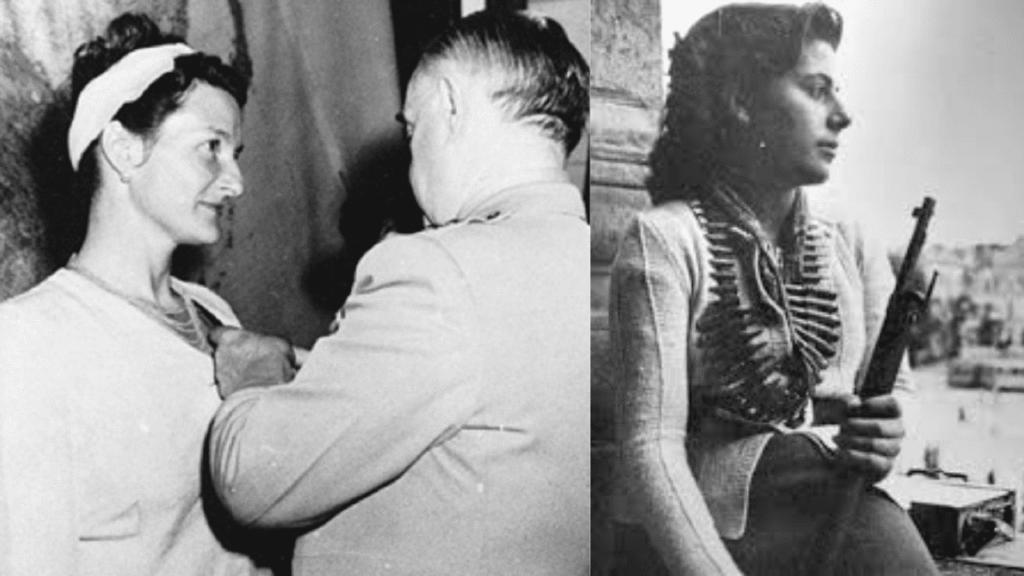
At the end of the war, Virginia Hall had received honours from both Allied powers. She received the Distinguished Service Cross, the highest honor in the U.S. Army awarded to a civilian woman, and was made an honorary Member of the Order of the British Empire. However, even these awards were shrouded in confusion; much of her heroism was classified or left unsaid during her lifetime.
After the war, Hall went on to work for the newly formed Central Intelligence Agency. Despite her early work being relegated to office jobs due to organizational prejudices, she later returned to strategic work, influencing the development of covert paramilitary operations in the early Cold War era. Her service was a point of reference for training clandestine operatives and designing resistance support operations.
Virginia Hall retired from the CIA in 1966 and lived a quiet life in Maryland until her death on July 8, 1982. She was buried in Druid Ridge Cemetery in Pikesville, her legacy dormant for decades, as was common for intelligence operatives whose work was intended to remain invisible until long after the conflict.
More Than a Footnote in History
The experience of Virginia Hall was more than a wartime story of heroism; it was a metamorphosis in the way intelligence agencies recruited potential agents. When women were generally relegated to secondary roles, Hall’s success paved the way for greater inclusion. Her expertise in controlling enemy territory, her ability to command thousands of resistance fighters, and her ability to evade the constant pursuit of the enemy make her not only an outstanding operative but one of the most important figures in the Allied struggle against fascism
For more inspiring stories and real life struggles of unsung heros keep exploring Hit Bios and our partner site Vrl News. Share your valuable views with us in comments down below. Also Check out Hit Bios at Pintrest @VrlNews.
More for you-
7 spy movies based on real life Intelligence Missions That Actually Happened