Why Villain Characters Often Outshine Heroes in Modern Shows
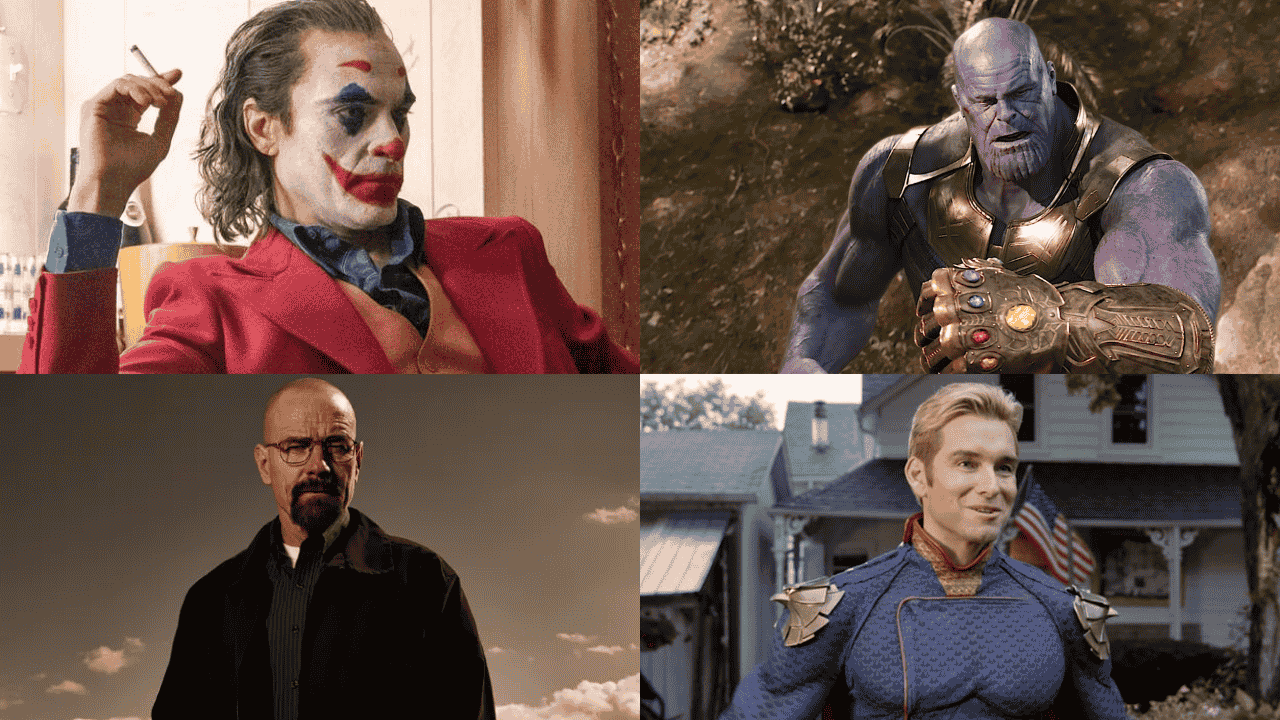
Why Villain Characters Often Outshine Heroes in Modern Shows : There was once an era when stories were so simplistic. The hero would wear the moral crown, the villain would wear the darkness, and at the end of the story, good would conquer evil. However, it seems that the current state of television does not follow such simplistic rules.
The villain now gets to leave with the spotlight. Social media edits are created glorifying the villain. Dialogues spoken by the villain are quoted by the fans. Online discussions and debates dive deeper into the psychology of the villain.
In fact, the villain seems to be the only character being talked about from the entire show. But why does it happen? Why does the villain seem to overshadow the hero in the current state of television? Let’s find out!
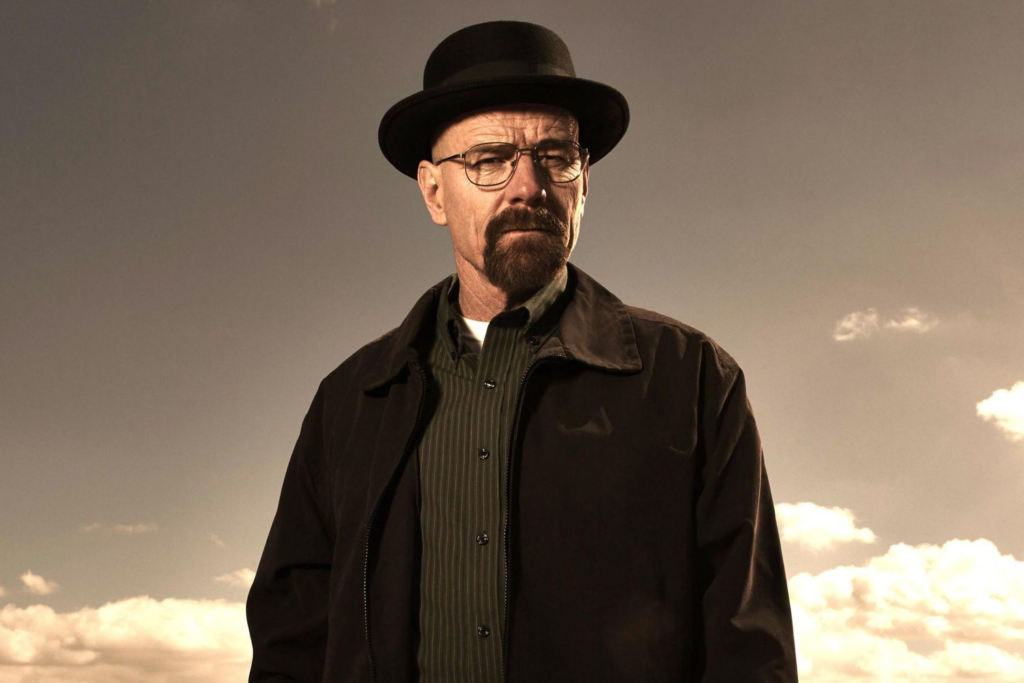
Walter White : Breaking Bad
Today, people do not have an appetite for black and white. We live in a world of gray, socially, politically, emotionally. And of course, this trickles down to our entertainment as well.
Take the character of Walter White, for instance, in the show Breaking Bad. He is a high school teacher with cancer. He makes the choice to make meth not as an evil character, but out of desperation. But as he continues to do this, desperation turns to ego, pride, greed.
The brilliance of Walter White’s arc lies in watching that transformation. We see every small moral compromise. We witness his descent. By the time he fully becomes Heisenberg, we’re not shocked — we’re disturbed because we understand how he got there. Heroes often start well and stay good. Villains evolve. And evolution is compelling.
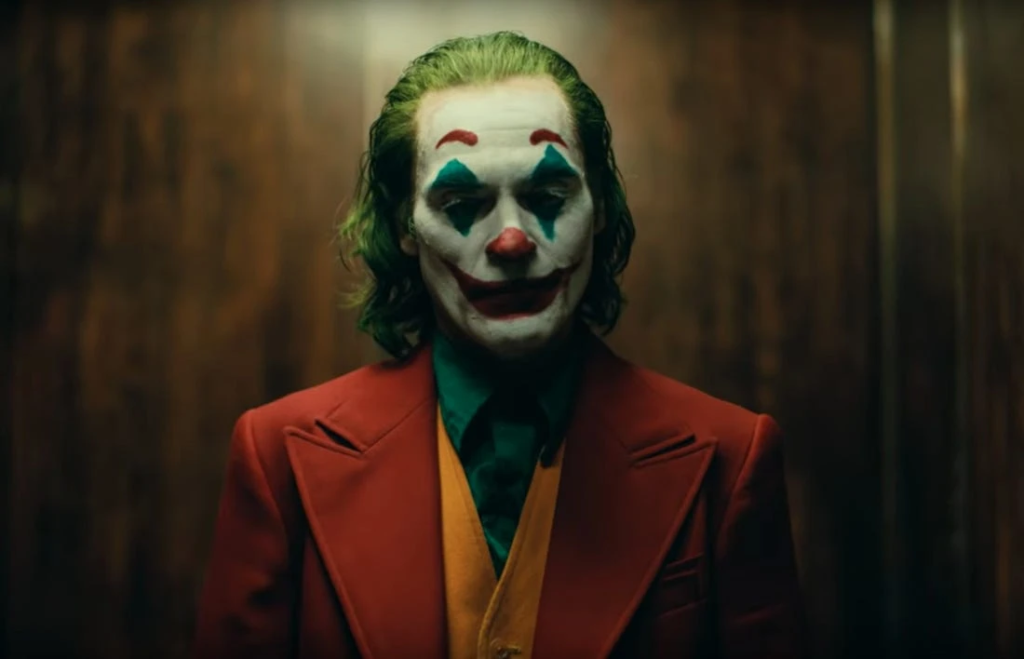
Jocker: The Dark Knight
Lack of villains with cultural dominance as that of the Joker’s. The Joker, in the movie “The Dark Knight,” was not only a master thief, he was chaos. He did not want to be rich. He did not want to be in control. What he wanted was to show that things did not work under pressure.
This was what made the Joker a villain of depth rather than being one-dimensional. The Joker was un-predictable, flamboyant, and witty. Batman was calculated, quiet. The Joker was active. And in storytelling, the character who drives chaos often commands attention. The Joker didn’t just challenge the hero — he challenged society’s idea of order. That’s why he became a cultural icon.
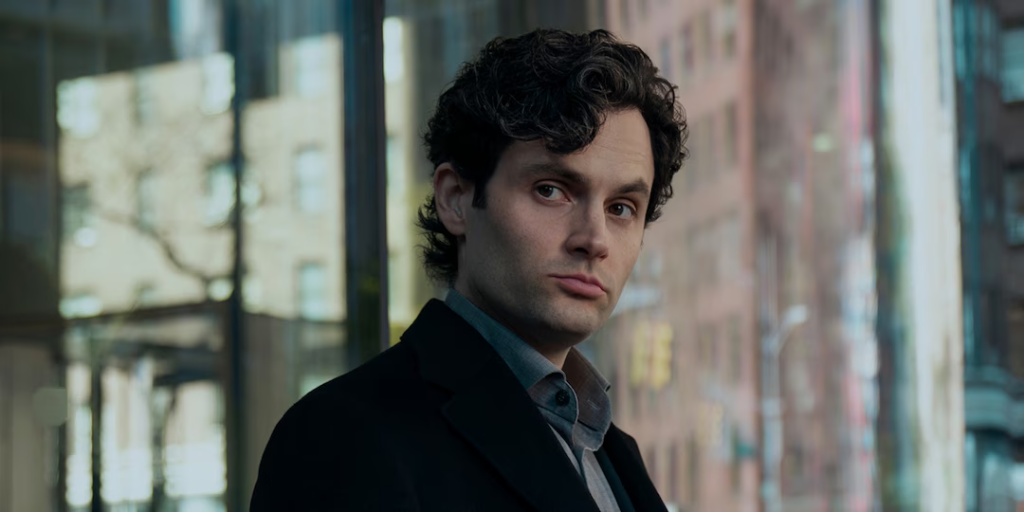
Joe Goldberg : You
Modern villains are rarely monsters without context. Writers now give them inner voices, motivations, and insecurities. Consider Joe Goldberg from You. Joe is manipulative, obsessive, and dangerous. Yet the audience hears his internal narration. We understand his logic, even when we reject it.
That narrative access creates something uncomfortable, sympathy. Joe believes he is protecting love. He justifies his actions through distorted reasoning. We watch his mind operate in real time. Heroes don’t usually narrate their morality. Villains like Joe narrate their obsession — and that psychological access keeps viewers hooked.
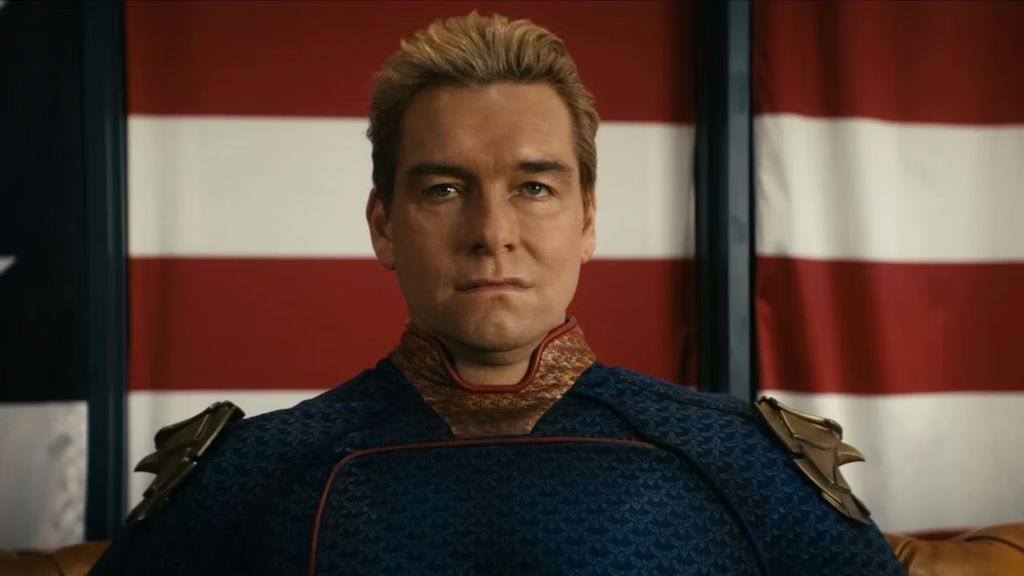
Homelander : The Boys
If unpredictability creates suspense, then Homelander from The Boys is the perfect example. Homelander presents himself as a patriotic superhero. But beneath the cape lies insecurity, narcissism, and volatility. Every scene he appears in carries tension because viewers never know what emotional trigger might set him off.
He smiles but the smile feels forced. He speaks calmly but there’s always an edge. Heroes often provide comfort, Homelander provides anxiety. And anxiety keeps audiences glued to the screen.
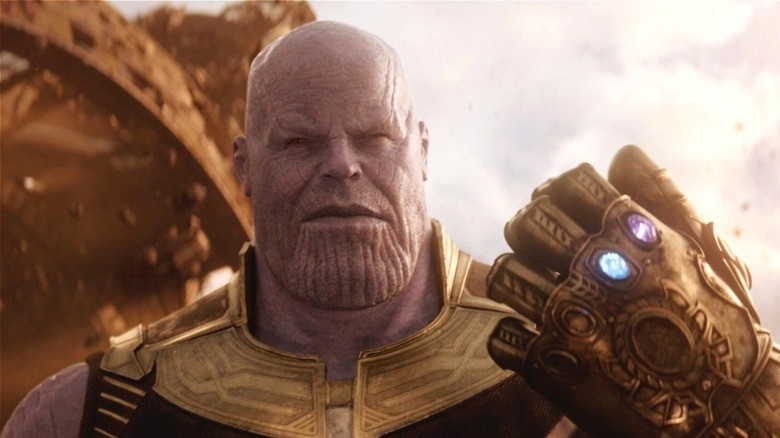
Thanos : Avengers
Superhero films often struggle with forgettable antagonists. But Thanos in Avengers: Infinity War changed that formula entirely. Thanos wasn’t chasing destruction for pleasure. He believed he was saving the universe from collapse. His ideology — that limited resources required extreme balance — gave him moral reasoning.
In fact, Infinity War feels structured around his journey more than the Avengers’. We see his sacrifices. We understand his strategy. He becomes the emotional core of the film. When a villain has philosophy, not just power, audiences engage on a deeper level.
Why Villain Character Feel More Human
The reality is that perfection is hard to relate to. Heroes embody the ideals of heroism, martyrdom, or righteousness, among others. While these are admirable ideals, they may be a bit detached from us.
On the other hand, villains embody the antithesis of Ego, Trauma, Obsession, Fear and Ambition. These are emotions that every human being may experience at some point in their lives. While we may not condone the actions of these villains, we may certainly relate to the emotions.
- Walter White’s ego.
- Joe Goldberg’s loneliness.
- Homelander’s insecurity.
- Thanos’s twisted sense of responsibility.
- The Joker’s anarchical rebellion.
All these villains exhibit the extremes of human emotions and struggles.
The Social Media Amplifier
Another huge contributor to the current state of villain supremacy in fandom culture is the current fandom culture itself. For instance, the speeches given by the villain, the close-ups of the villain’s face, the chaotic scenes, etc., all translate very well to the short-form content that is so popular today. And which scenes are the most dramatic Of course, those of the antagonist.
Villains look good on screen. They look good with dark lighting. They look good with intense facial expressions. They look good with quick-witted dialogue. They are meme-able. They are quote-able. They are editable. And in the age of digital virality?
Are Villain Characters Truly Better — or Just Better Written?
Perhaps it is because the change is not that villains are more powerful than the heroes. Perhaps the change is that writers have come to understand that villains are complex characters.
The style of writing today is focused on the villain’s background, their reasons, and their internal struggles. The villain of today is no longer an obstacle to be defeated. The villain of today is a protagonist with complex characterizations.
If given as much attention as is given to the villains, then the villains would be as, if not more, intriguing than the protagonists.
Final Thoughts
Villain characters have become more popular in recent television shows than heroes. This is due to their association with the concept of complexity. They are unpredictable, emotional, and culturally complex.
- The Joker upends order.
- Joe Goldberg disrupts with intimacy.
- Homelander unsettles with instability.
- Walter White is fascinated by transformation.
- Thanos overpowers with ideology.
Villain characters challenge our moral code. They encourage discussion. They occupy our thoughts long after the credits roll. Heroes encourage us to be our best selves. Villains fascinate us. And in today’s world, fascinations capture our attention.
For more celebrity biographies, struggle-to-success stories, and the latest entertainment updates, keep exploring Hit Bios and our partner site Vrl News.
More for you to read-