Saurav Das — Biography, Investigative Journalism, RTI Work & CJP Role 2026

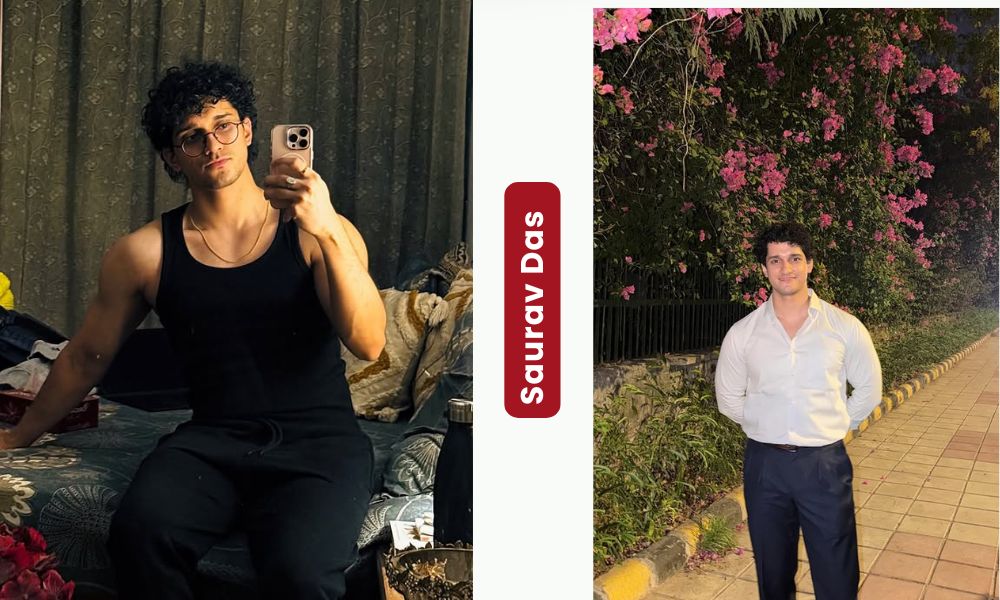
Quick Info: Based in: New Delhi | Profession: Investigative Journalist · RTI Activist · Columnist | Known For: RTI-based investigative reporting, Aarogya Setu transparency case, Chief Spokesperson of the Cockroach Janta Party
| Full Name | Saurav Das |
| Profession | Investigative Journalist · RTI Activist · Columnist · Political Spokesperson |
| Based In | New Delhi, India |
| Nationality | Indian |
| Education | Graduate in Journalism and Mass Communication |
| Career Start | Decided on investigative journalism at 17 · first RTI disclosures at 18 |
| First Major Role | Intern, News Desk — NDTV, New Delhi (Dec 2018 – Jan 2019) |
| Went Independent | August 2020 — freelance independent journalist |
| Signature Column | “Case In Point” — Frontline magazine |
| Published In | The Caravan · Article 14 · Al Jazeera · The Wire · The Hindu · LiveLaw · The Quint · BoomLive · Firstpost · New Lines Magazine |
| Primary Method | Right to Information (RTI) Act — used to uncover governance and judicial-conduct stories |
| Focus Areas | Judiciary · institutional accountability · governance · transparency · environment |
| Notable Case | Used RTI + legal action to seek Aarogya Setu app information during COVID-19 |
| Activism | Among leaders of the November 2025 anti-pollution protests at India Gate |
| CJP Role | Chief Spokesperson, Cockroach Janta Party (announced June 3, 2026) |
| Recognition | Featured at the World Expression Forum, Norway |
| Social Media | @SauravDassss (X) |
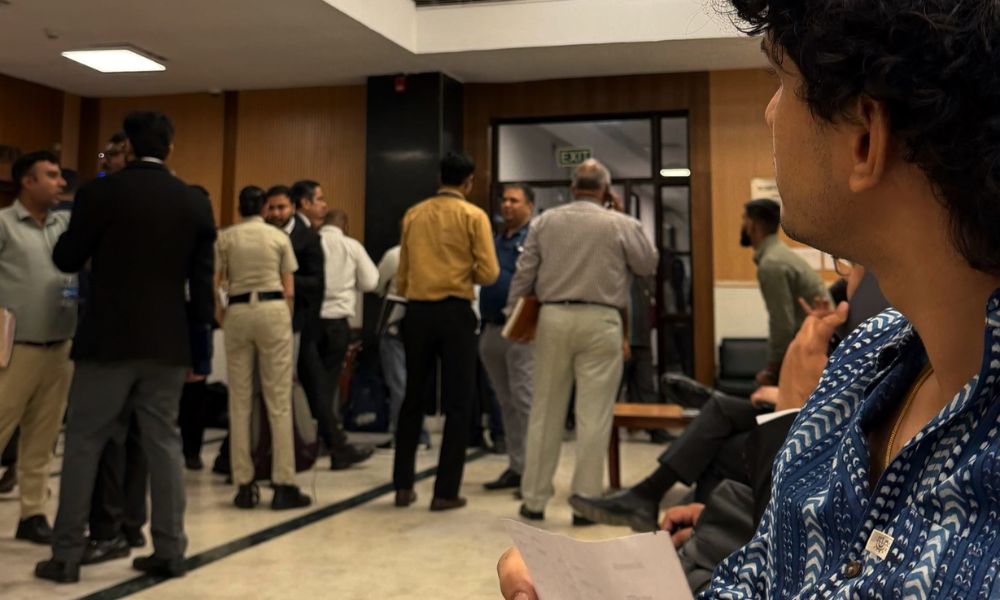
Photo: Saurav Das |Instagram/@seven_shots_
Saurav Das decided he wanted to be an investigative journalist at seventeen. By eighteen, he was already using the Right to Information Act to pull hidden government records into public view. While most journalists build careers on sources and access, Das built his on a law — the RTI Act — that lets any citizen demand answers from the state. He turned a bureaucratic tool into an investigative weapon.
In June 2026, that decade of accountability journalism led him to an unexpected place: the microphone of a viral protest movement. When the Cockroach Janta Party named its first spokespersons ahead of its June 6 Jantar Mantar protest, Saurav Das was named Chief Spokesperson — the journalist who had spent years holding institutions accountable now speaking for a movement built on demanding exactly that.
Early Career — A Teenager With an RTI Application
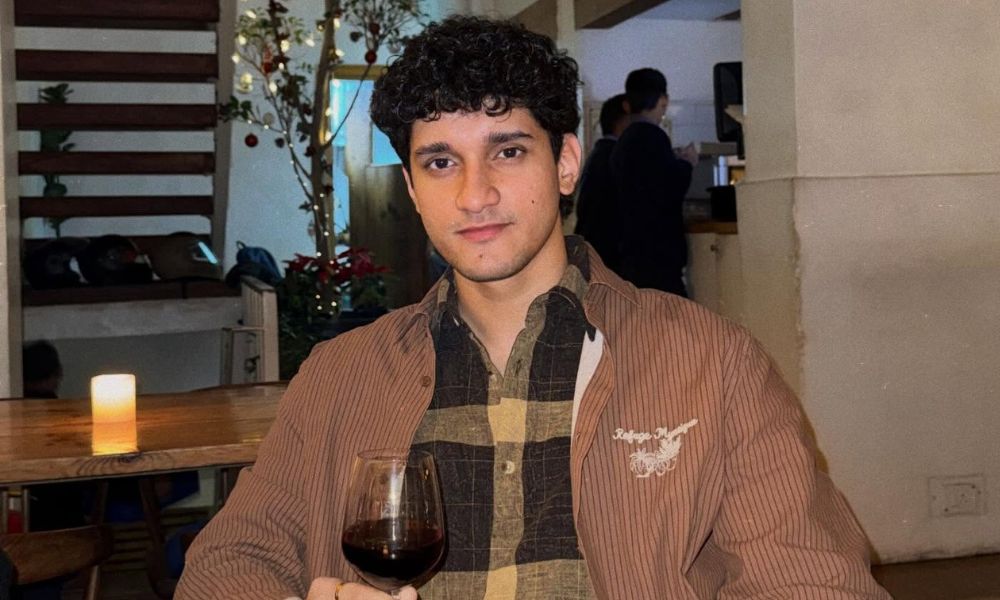
Photo: Saurav Das |Instagram/@seven_shots_
Saurav Das is a graduate in Journalism and Mass Communication who knew his direction early. According to available accounts, he decided to pursue investigative journalism at the age of 17, and by 18 he had come into the limelight for using the Right to Information (RTI) Act to disclose important stories in India. This is an unusually early start — most journalists do not file consequential RTI applications until well into their careers.
He began his formal journalism career with an internship at the News Desk of NDTV in New Delhi from December 2018 to January 2019. It was a brief but foundational stint at one of India’s major news broadcasters. In August 2020 — in the middle of the COVID-19 pandemic — he made the decision that would define his career: he became a freelance independent journalist, choosing autonomy over the security of a newsroom position.
That choice to go independent is central to understanding him. Independent journalism in India is financially precarious and offers no institutional protection, but it allows a reporter to pursue stories that powerful interests would prefer buried. Das chose that path at 18 months into a global pandemic — a decision that signalled his priorities were investigation and accountability, not career safety.
The RTI Method — How Saurav Das Built His Reputation
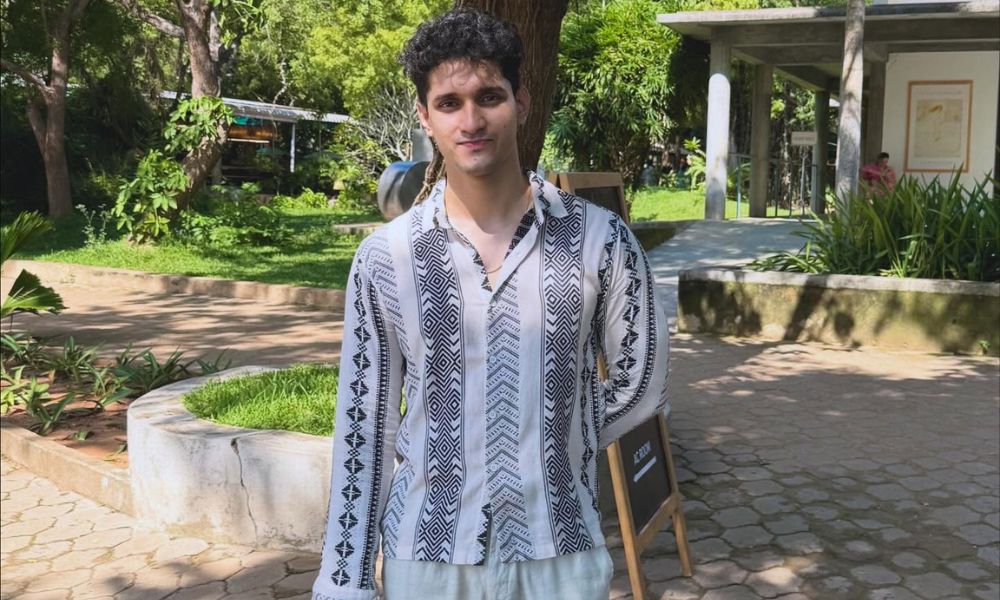
Photo: Saurav Das |Instagram/@seven_shots_
Saurav Das’s defining professional signature is his mastery of the Right to Information Act as an investigative tool. The RTI Act allows any Indian citizen to request information from public authorities, and in skilled hands it becomes a way to extract documents, decisions, and data that the government would otherwise never disclose. Das built his entire investigative practice around it, focusing on governance, transparency, and judicial conduct.
One of his most notable interventions came during the COVID-19 pandemic. In 2020, he approached a state High Court and appealed to the Central Information Commission to speed up RTI appeals related to urgent COVID-19 information requests — at a time when timely access to government health data was a matter of public survival. He was prominently associated with efforts to use RTI and legal action to seek transparency around the Aarogya Setu contact-tracing app, which had raised significant data-privacy concerns.
His byline has appeared across a remarkable range of respected publications — The Caravan, Article 14, Al Jazeera, The Wire, The Hindu, LiveLaw, The Quint, BoomLive, Firstpost, and New Lines Magazine. He writes a column titled “Case In Point” for Frontline magazine. This breadth across India’s most credible independent and legacy outlets reflects a reputation for rigorous, document-backed reporting rather than opinion or commentary.
Activism Beyond Journalism — Environment & India Gate
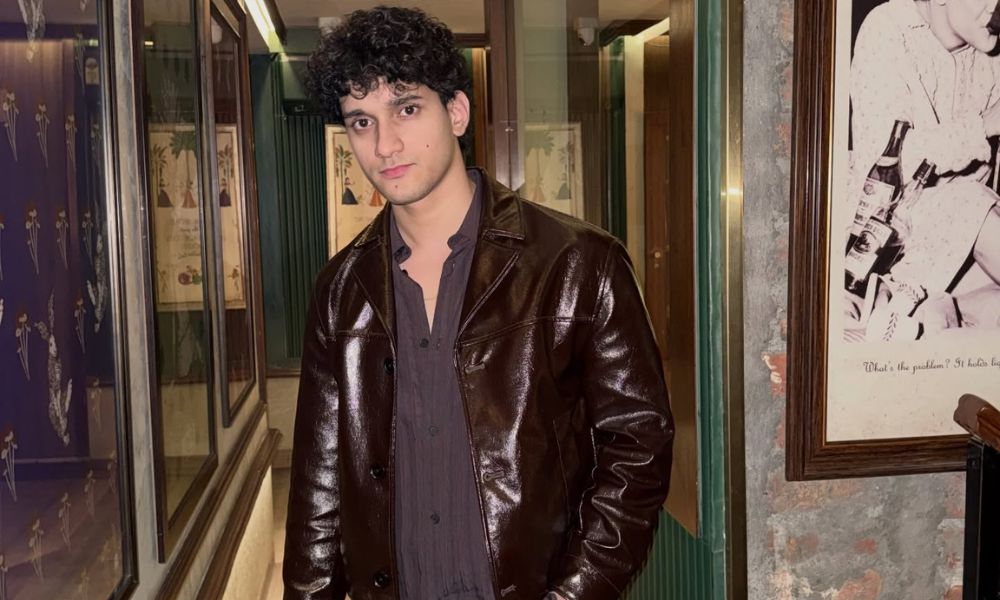
Photo: Saurav Das |Instagram/@seven_shots_
Saurav Das is not only a reporter of issues but a participant in civic causes — most notably environmental activism.
He has been described as being right in the middle of anti-pollution protests, and the Cockroach Janta Party specifically noted that he was among the people who led the November 2025 anti-pollution protests at India Gate in Delhi. Delhi’s air-pollution crisis is one of the most pressing public-health issues in northern India, and Das’s involvement in street-level protest on the issue places him in the activist tradition as well as the journalistic one.
This dual identity — journalist and activist — is increasingly common among a younger generation of Indian public figures who see reporting and protest as complementary rather than conflicting. It is also the bridge that explains his move to the Cockroach Janta Party: a journalist who already participated in civic protest was a natural fit for a movement transitioning from online satire to street activism.
The CJP Role — Becoming Chief Spokesperson
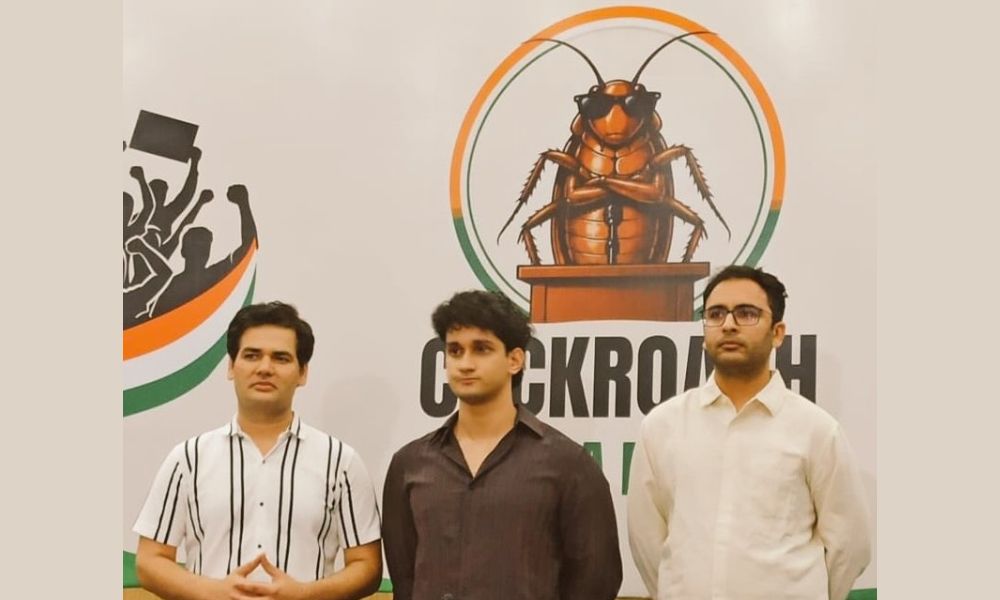
Photo: Saurav Das |Instagram/@seven_shots_
On June 3, 2026, the Cockroach Janta Party named Saurav Das as its Chief Spokesperson — the most prominent of three spokespersons unveiled ahead of the movement’s June 6 Jantar Mantar protest.
Das announced his appointment on X with a statement that captured the movement’s emotional core. He wrote that he was thrilled to join as Chief Spokesperson, and articulated the generational anger driving the movement: that India’s young people were promised a future and then mocked, moralised at, and treated as disposable for asking where that future went. “That moment has arrived. And it is time we change that,” he wrote.
His role is to anchor the movement’s public-facing communications — speaking to the press and the public on behalf of a movement that, until June 3, had been led primarily by its founder Abhijeet Dipke from abroad. At the movement’s first press conference, Das framed its central demand directly, saying the CJP sought “minimum accountability from this system where rot has set in.” It was a characteristically journalist’s framing — measured, accountability-focused, and document-minded rather than purely emotional.
His appointment, like all newly public figures, has attracted scrutiny on social media. As a journalist who has spent his career investigating others, Das now finds himself the subject of public examination — an irony not lost on observers of the movement.
Lesser Known Facts About Saurav Das
- Saurav Das decided to pursue investigative journalism at age 17 and made his first RTI-based disclosures at 18.
- He began his career as an intern at NDTV’s News Desk in New Delhi (December 2018 – January 2019).
- He became a freelance independent journalist in August 2020 — during the COVID-19 pandemic — choosing autonomy over a staff position.
- He writes a regular column titled “Case In Point” for Frontline magazine.
- His work has appeared in The Caravan, Article 14, Al Jazeera, The Wire, The Hindu, LiveLaw, and many other respected outlets.
- His investigative method relies heavily on the Right to Information (RTI) Act to uncover governance and judicial-conduct stories.
- During COVID-19, he pursued transparency around the Aarogya Setu app through RTI and legal action.
- In 2020, he approached a state High Court to speed up urgent COVID-19-related RTI appeals.
- He was among the leaders of the November 2025 anti-pollution protests at India Gate in Delhi.
- He has been featured at the World Expression Forum in Norway — an international platform for free expression.
- He was named Chief Spokesperson of the Cockroach Janta Party on June 3, 2026, the most senior of three spokespersons.
- His X handle is @SauravDassss, where he announced his CJP appointment.
3 Things Most Articles About Saurav Das Miss
1. His RTI specialism makes him uniquely suited to a movement about accountability. The Cockroach Janta Party’s core demand is institutional accountability over exam leaks and governance failures. Saurav Das has spent his entire career extracting accountability from institutions using the RTI Act. He is not a random celebrity spokesperson — he is a subject-matter expert in exactly the thing the movement is demanding. That alignment between his journalism and the movement’s cause is the most underappreciated fact about his appointment.
2. There is a real tension in a working journalist becoming a movement’s spokesperson — and it deserves honest discussion. Journalism and political advocacy are traditionally kept separate; a reporter’s credibility rests on independence. By becoming the CJP’s Chief Spokesperson, Das has crossed from documenting a movement to representing one. Whether this strengthens the movement (lending it journalistic credibility) or compromises his journalism (trading independence for advocacy) is a genuine question that thoughtful coverage should engage rather than ignore.
3. His early start signals a particular kind of conviction, not just talent. Filing consequential RTI applications at 18, going independent during a pandemic, leading street protests on pollution — these are not the choices of someone optimising for a comfortable career. They are the choices of someone for whom accountability journalism is a vocation rather than a job. Understanding Das means understanding that the CJP role is a continuation of a decade-long pattern, not a sudden pivot.
FAQ — What People Are Searching About Saurav Das
Who is Saurav Das?
Saurav Das is an Indian investigative journalist and RTI activist based in New Delhi, known for using the Right to Information Act to report on governance, transparency, and judicial accountability. A graduate in Journalism and Mass Communication, he has written for The Caravan, Article 14, Al Jazeera, The Wire, The Hindu, and Frontline (where he writes the “Case In Point” column). In June 2026, he was appointed Chief Spokesperson of the Cockroach Janta Party ahead of its June 6 Jantar Mantar protest.
What is Saurav Das known for as a journalist?
Saurav Das is known for investigative journalism built around the Right to Information (RTI) Act, focusing on the judiciary, institutional accountability, and governance. Notable work includes pursuing transparency around the Aarogya Setu app during COVID-19 and approaching a High Court in 2020 to expedite urgent pandemic-related RTI appeals. He has also been an environmental activist, helping lead the November 2025 anti-pollution protests at India Gate.
What is Saurav Das’s role in the Cockroach Janta Party?
Saurav Das was appointed Chief Spokesperson of the Cockroach Janta Party (CJP) on June 3, 2026 — the most senior of three spokespersons unveiled ahead of the movement’s June 6 protest at Jantar Mantar, Delhi. He anchors the movement’s communications with the press and public. At its first press conference, he framed the CJP’s demand as seeking “minimum accountability from this system where rot has set in.”
Where has Saurav Das’s work been published?
Saurav Das’s journalism has appeared in a wide range of respected publications, including The Caravan, Article 14, Al Jazeera, The Wire, The Hindu, LiveLaw, The Quint, BoomLive, Firstpost, and New Lines Magazine. He writes a regular column titled “Case In Point” for Frontline magazine.
How did Saurav Das start his journalism career?
Saurav Das decided to pursue investigative journalism at 17 and made his first RTI-based disclosures at 18. He began formally with an internship at NDTV’s News Desk in New Delhi (December 2018 to January 2019), then became a freelance independent journalist in August 2020 during the COVID-19 pandemic.
Saurav Das spent a decade using a transparency law to hold Indian institutions accountable — one RTI application at a time, across the country’s most respected publications. He chose independence over security, investigation over access, and accountability over comfort. It was always a vocation more than a job.
His appointment as the Cockroach Janta Party’s Chief Spokesperson is, in that light, less a surprise than a culmination. A movement built on demanding accountability chose, as its public voice, a journalist who had spent his entire career extracting it. Whether that proves to be the right choice — for the movement or for his journalism — June 6 and the months after it will begin to answer.
Also Read: Naman Jain