Aditya Raj Kaul — Biography, Age, Journalism Career, NDTV Role & Awards (Latest 2026)

Quick Info: Born: April 1989, Srinagar | Profession: Journalist · Conflict & National-Security Reporter · Editor | Current Role: Senior Executive Editor, Geopolitics & National Security — NDTV 24×7 | Known For: Conflict journalism, the “Justice for Priyadarshini Mattoo” campaign, Kashmiri Pandit advocacy
| Full Name | Aditya Raj Kaul |
| Profession | Journalist · Conflict & National-Security Correspondent · Editor · Documentary-maker |
| Date of Birth | April 1989 (reported as April 13 or 14) |
| Age (as of 2026) | 37 Years |
| Birthplace | Rainawari, Srinagar, Jammu & Kashmir |
| Community | Kashmiri Pandit |
| Current Base | New Delhi, India |
| Nationality | Indian |
| Father | Utpal Kaul — ran a book publishing house |
| Mother | Advaitavadini Kaul — was pursuing a PhD at University of Kashmir during the exodus; later joined IGNCA |
| Education | Political Science, Ramjas College (Delhi University) · PG in Journalism, Xavier Institute of Communications, Mumbai · Media Management program, IIM Bangalore |
| Career Start | 2008 (began in journalism; early association with Times of India / Times Network) |
| Current Role | Senior Executive Editor — Geopolitics, National Security & Strategic Affairs, NDTV 24×7 (since August 2025) |
| Previous Roles | Executive/Senior Executive Editor — TV9/News9 Network · Group Contributing Editor — CNN-News18 / Network18 · Principal Correspondent, Foreign Affairs — Times Now |
| Coverage | ISIS in Iraq/Jordan · Article 370 abrogation · India-China LAC standoff · G20, BRICS, ASEAN, SAARC, SCO summits |
| Wife | Divya Kochar — TV anchor (married January 31, 2024) |
| Top Awards | Jethmalani Prize for Journalism · Devrishi Narad Samman (2023) · India Today Top 25 Youth Icons (2007) · 40 Under 40 |
| X Account | @AdityaRajKaul |
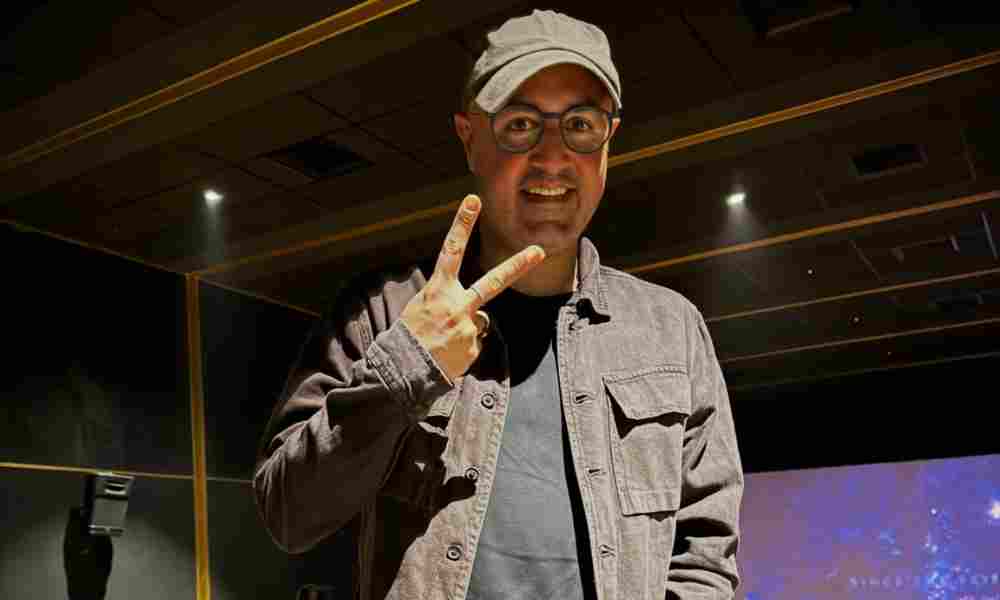
Photo: Aditya Raj |Instagram/@adityarajkaul
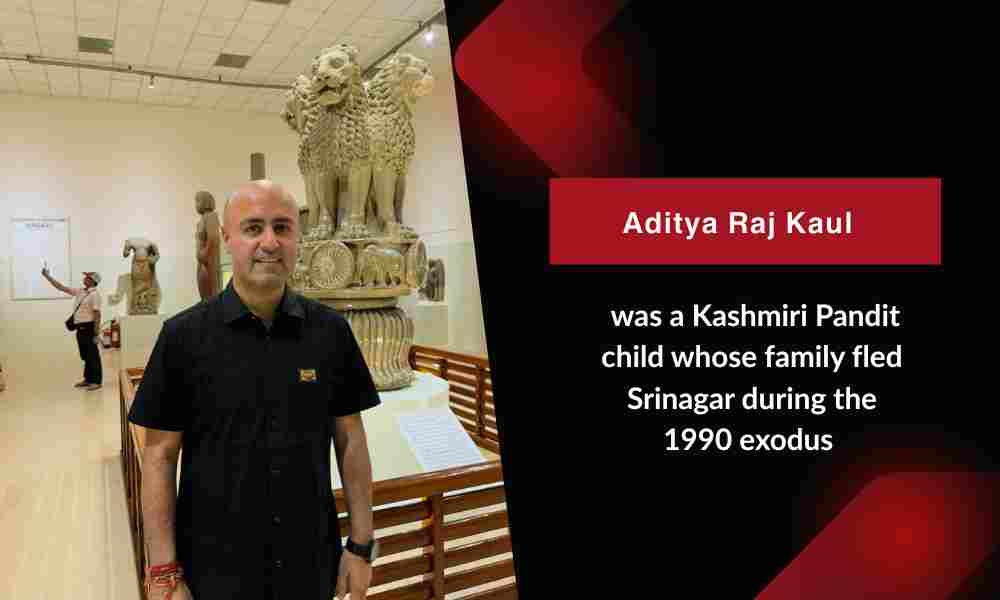
At 17, while most teenagers were worrying about board exams, Aditya Raj Kaul was leading a national campaign for justice in one of India’s most notorious murder cases — and it worked. That early activism earned him a place among India Today’s Top 25 Youth Icons and launched one of the most distinctive journalism careers of his generation. But the story behind it is older and harder: Kaul was a Kashmiri Pandit child whose family fled Srinagar during the 1990 exodus, growing up in the shadow of displacement.
Today, he is the Senior Executive Editor for Geopolitics, National Security, and Strategic Affairs at NDTV 24×7 — one of India’s most recognised voices on defence, foreign policy, and conflict. From refugee camps to war zones to global summits, his journey is genuinely unusual. This is the full story of Aditya Raj Kaul: the exodus that shaped him, the teenage campaign that made him, and the conflict reporting that defines him.
Early Life — A Kashmiri Pandit Childhood Shaped by Exodus
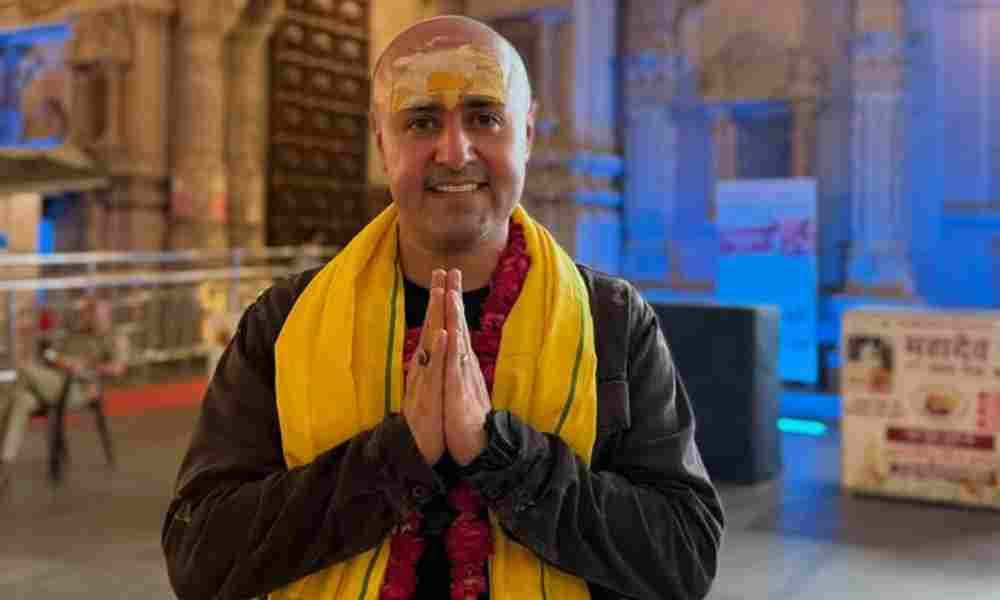
Photo: Aditya Raj |Instagram/@adityarajkaul
Aditya Raj Kaul was born in April 1989 in Rainawari, Srinagar, into a Kashmiri Pandit family. His father, Utpal Kaul, ran a book publishing house, and his mother, Advaitavadini Kaul, was pursuing a PhD at the University of Kashmir. It was, by the accounts available, an educated, settled family life — until it was abruptly upended.
In 1990, as targeted violence against Kashmiri Pandits by separatists and militants escalated, Kaul’s family — like hundreds of thousands of others in the community — was forced to flee the Valley in what became known as the Kashmiri Pandit exodus. He was barely a year old. The family left their ancestral home and resettled in Delhi, where his mother eventually found work at the Indira Gandhi National Centre for the Arts (IGNCA).
This displacement is the foundational fact of his life and work. In a TEDx talk titled “From a Refugee Camp to TV: Life of a Homeless Journalist,” Kaul has spoken about how the early hardship of growing up displaced shaped his determination and his eventual drive to report from conflict zones. The experience of being uprooted as a child gave him both a personal connection to the Kashmir issue and a lifelong sensitivity to displacement and conflict — themes that run through his entire career.
The Teenage Activist — “Justice for Priyadarshini Mattoo”
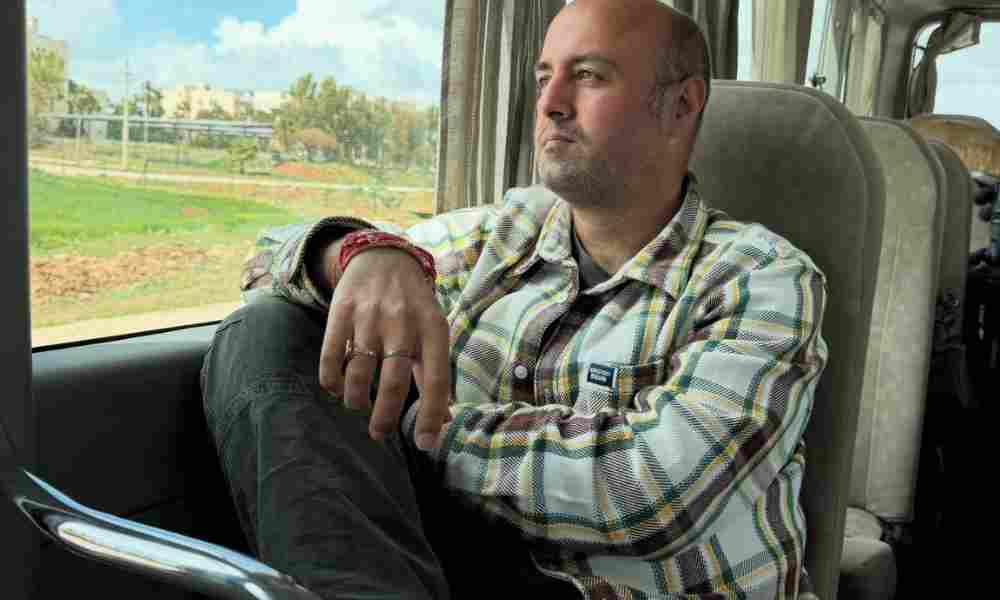
Photo: Aditya Raj |Instagram/@adityarajkaul
Aditya Raj Kaul first gained national prominence not as a journalist but as a teenage activist — leading a high-profile campaign for justice while still in his teens.
At the age of 17, he became a leading voice in the “Justice for Priyadarshini Mattoo” campaign — a public movement demanding accountability in the 1996 murder of a young law student, a case that had become a symbol of how the powerful could evade justice in India. Kaul’s involvement in mobilising public pressure around the case brought him into the national spotlight at a remarkably young age.
The recognition that followed was significant: he was named among India Today’s Top 25 Youth Icons in 2007, and in 2011 was announced as a youth achiever by the India Today Corporation. For someone not yet out of his teens, this was an extraordinary entry into public life — and it established the pattern that would define his career: a journalist driven by the conviction that reporting should serve accountability and justice, not just describe events.
This activist origin is key to understanding him. He did not drift into journalism as a job; he arrived at it through a cause. The teenager who pushed for justice in a murder case became the reporter who would later embed with armies, travel to war zones, and cover the issues he believed mattered most.
Education & Entry Into Journalism
Aditya Raj Kaul built a strong academic foundation alongside his early activism, equipping himself for a career in serious journalism.
He graduated in Political Science from Ramjas College, Delhi University — a fitting discipline for someone drawn to politics, conflict, and public affairs. He then pursued a postgraduate qualification in journalism from the Xavier Institute of Communications (XIC) in Mumbai, one of India’s respected media schools. Later, he added a media-management program at IIM Bangalore, blending editorial skill with the business and leadership side of media.
His journalism career began around 2008, with early associations including the Times of India and Times Network. From the start, he gravitated toward the hard end of the profession — politics, foreign affairs, national security, and conflict — rather than softer beats. This focus would become his defining specialism, distinguishing him in an industry where genuine conflict and national-security expertise is relatively rare.
Over the following years, he built his credentials through frontline reporting, steadily rising from correspondent roles to senior editorial leadership across some of India’s biggest newsrooms.
The Conflict Journalist — War Zones, Summits & Investigations
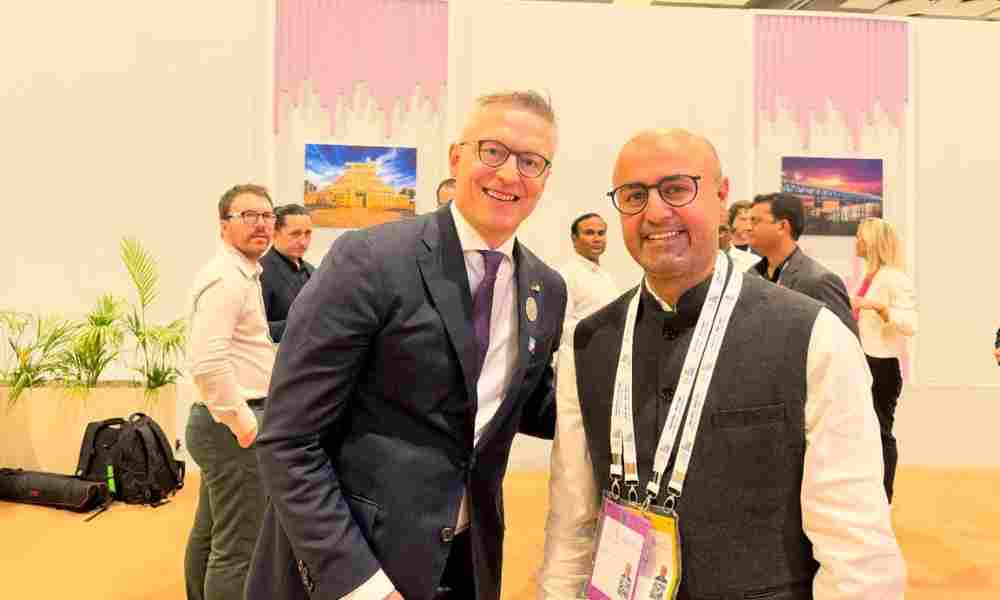
Photo: Aditya Raj |Instagram/@adityarajkaul
Aditya Raj Kaul’s reputation rests on more than 15 years of frontline reporting from some of the most consequential events and dangerous places of recent times.
His conflict and national-security coverage is extensive. He has reported on the rise of ISIS from Iraq and Jordan, the India-China military standoff at the Line of Actual Control in Ladakh, the abrogation of Article 370 in Jammu & Kashmir, and major terror attacks in Afghanistan and Pakistan. He was among the first journalists on the ground in Kashmir during the 2014 floods, flying in with the Indian Air Force, and covered the Uttarakhand cloudburst disaster.
His access extends to the highest levels of diplomacy. He has reported from more than a dozen global summits — including the G20 in Australia, BRICS in China, ASEAN in Malaysia and Vietnam, SAARC in Nepal, and the SCO Summit — and covered high-level state visits, including India’s first Head of State visit to Israel and Palestine. His exclusive interviews include figures such as External Affairs Minister Dr. S. Jaishankar, Afghan Vice President Amrullah Saleh, former Australian PM Tony Abbott, and Israeli PM Benjamin Netanyahu.
He is also a documentary-maker. His investigative documentary “Bombs In Our Backyard” — which took viewers inside a massive, highly classified Indian Army explosive-disposal mission carried out during the COVID-19 lockdown — won the Golden DigiPub World Award for Best Investigative Documentary. This blend of frontline breaking news, summit diplomacy, and long-form investigation is what makes his body of work distinctive.
NDTV & The Latest Career Chapter
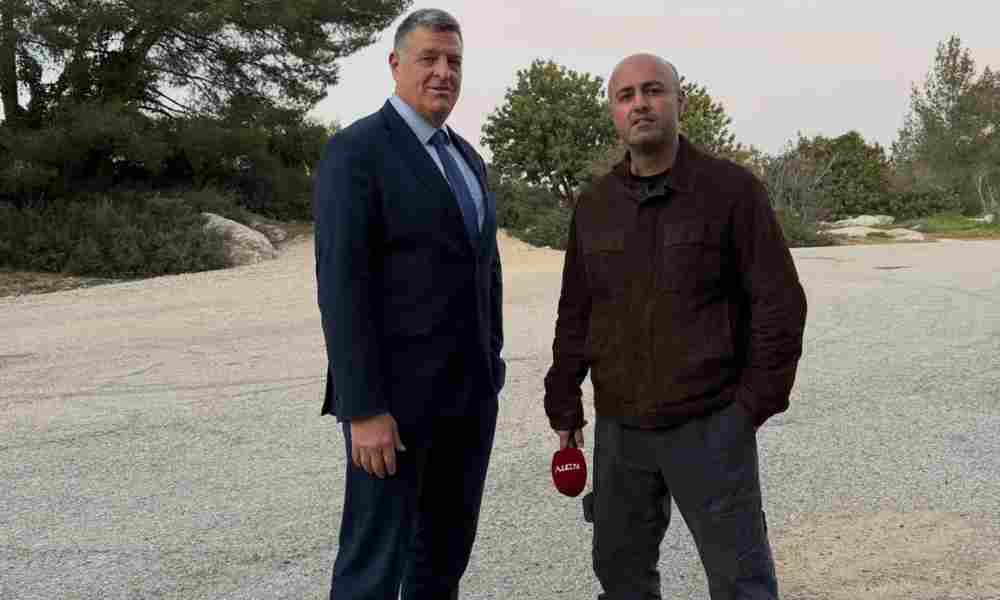
Photo: Aditya Raj |Instagram/@adityarajkaul
In August 2025, Aditya Raj Kaul joined NDTV 24×7 as Senior Executive Editor for Geopolitics, National Security, and Strategic Affairs — his current role and the latest chapter in a career marked by frequent moves between India’s top newsrooms.
The appointment was notable for how he began it. On his very first day at NDTV, he was already reporting from Tianjin, China, covering the Shanghai Cooperation Organisation (SCO) Summit attended by Prime Minister Narendra Modi, President Xi Jinping, and President Vladimir Putin. NDTV’s CEO and Editor-in-Chief Rahul Kanwal described him as “among the finest in the field of strategic and international journalism,” citing a track record spanning conflict zones, global summits, documentaries, and breaking investigations.
His path to NDTV ran through several major newsrooms. He has previously held senior roles including Executive Editor at the TV9/News9 Network, Group Contributing Editor at CNN-News18 and Network18, and Principal Correspondent for Foreign Affairs at Times Now. This pattern of movement across leading channels is common among in-demand senior journalists, and reflects his standing as a sought-after specialist in a niche but critical field.
On his appointment, Kaul said it was “an honour to join NDTV at this important juncture,” adding that journalism, for him, “has always been about being present where history is being shaped and bringing clarity and context to events that impact millions.”
Awards, Recognition & Personal Life
Photo: Aditya Raj |Instagram/@adityarajkaul
Aditya Raj Kaul’s work has been recognised with some of Indian journalism’s notable honours.
He received the Jethmalani Prize for Journalism in Service of Humanity — the first recipient of the award, presented at a ceremony marking the centenary of legal eagle and former Law Minister Ram Jethmalani, with the then Chief Justice of India as Chief Guest; the honour included a gold medal and a substantial cash award. In May 2023, he received the Devrishi Narad Samman, described as the highest yearly journalism award from the Indraprastha Vishwa Samvad Kendra, chosen by a jury of nine senior journalists. He has also featured on “40 Under 40” lists and, as noted, was an India Today Youth Icon at 17.
On the personal front, Kaul married Divya Kochar, a television anchor, on January 31, 2024. The couple are both from the broadcast-news world, a shared professional background that is increasingly common among media couples.
It is worth noting, for balance, that as a journalist who works on politically charged subjects — Kashmir, national security, foreign policy — Kaul, like many prominent Indian journalists, is a figure whose coverage and viewpoints are both praised and debated across India’s polarised media landscape. His admirers value his frontline access and national-security expertise; his work, like that of any opinion-shaping journalist, is also critiqued by those who differ with his framing. This is a normal feature of prominent journalism rather than a personal controversy.
Lesser Known Facts About Aditya Raj Kaul
- He was barely a year old when his Kashmiri Pandit family fled Srinagar during the 1990 exodus and resettled in Delhi.
- His father ran a book publishing house, and his mother was pursuing a PhD at the University of Kashmir at the time of the exodus.
- He gained national fame at age 17 leading the “Justice for Priyadarshini Mattoo” campaign.
- He was named among India Today’s Top 25 Youth Icons in 2007.
- He delivered a TEDx talk titled “From a Refugee Camp to TV: Life of a Homeless Journalist” in December 2021.
- He graduated in Political Science from Ramjas College and did a media-management program at IIM Bangalore.
- He reported on the rise of ISIS from Iraq and Jordan and the India-China standoff at the LAC in Ladakh.
- He was among the first journalists on the ground in Kashmir during the 2014 floods, flying in with the Indian Air Force.
- His documentary “Bombs In Our Backyard” won the Golden DigiPub World Award for Best Investigative Documentary.
- He was the first recipient of the Jethmalani Prize for Journalism, presented with the CJI as Chief Guest.
- He joined NDTV 24×7 in August 2025 and reported from the SCO Summit in China on his very first day.
- He married TV anchor Divya Kochar on January 31, 2024.
3 Things Most Articles About Aditya Raj Kaul Miss
1. His journalism is inseparable from his refugee childhood — and that is the key to understanding him. Most profiles list his beats (Kashmir, national security, conflict) without connecting them to the fact that he was a Kashmiri Pandit child uprooted by the very kind of conflict he now covers. His own TEDx talk makes the link explicit: the refugee-camp childhood is the engine of the conflict journalist. He does not report on displacement and security as abstract subjects; he reports on them as someone whose own life was defined by them. That lived experience is his defining differentiator.
2. He was an activist before he was a journalist — and that order matters. The “Justice for Priyadarshini Mattoo” campaign came before his journalism career, not during it. He entered public life through a cause, at 17, and only then channelled that drive into reporting. This explains the conviction-led quality of his work: he treats journalism as a tool for accountability and impact, an extension of the activism that first made his name. Understanding that he started as a campaigner reframes his entire career.
3. The frequent newsroom moves reflect his value as a specialist, not instability. Times Now, News18/Network18, TV9/News9, and now NDTV — Kaul has moved between many of India’s biggest channels. It would be easy to read this as restlessness, but the more accurate reading is that genuine conflict and national-security expertise is scarce and highly sought-after. Senior specialist journalists in a niche field are routinely recruited between rival newsrooms precisely because few people can do what they do. His mobility is a marker of demand for his specialism, not a lack of standing.
FAQ — What People Are Searching About Aditya Raj Kaul
Who is Aditya Raj Kaul?
Aditya Raj Kaul (born April 1989, Srinagar) is an Indian journalist specialising in conflict reporting, national security, geopolitics, and foreign affairs. A Kashmiri Pandit whose family fled the Valley during the 1990 exodus, he first gained fame at 17 leading the “Justice for Priyadarshini Mattoo” campaign. With over 15 years of frontline reporting, he is currently the Senior Executive Editor for Geopolitics, National Security, and Strategic Affairs at NDTV 24×7.
Which channel does Aditya Raj Kaul work for now?
As of his latest role, Aditya Raj Kaul is the Senior Executive Editor for Geopolitics, National Security, and Strategic Affairs at NDTV 24×7, a position he took up in August 2025 — beginning by reporting from the SCO Summit in Tianjin, China, on his very first day. Previously, he held senior editorial roles at the TV9/News9 Network, CNN-News18/Network18, and Times Now.
What is Aditya Raj Kaul known for?
Aditya Raj Kaul is known for conflict and national-security journalism — reporting on the rise of ISIS, the India-China LAC standoff in Ladakh, the abrogation of Article 370, and major terror attacks in Afghanistan and Pakistan. He has covered global summits (G20, BRICS, ASEAN, SCO) and made the award-winning documentary “Bombs In Our Backyard.” He is also a prominent voice on Kashmiri Pandit issues, having experienced the 1990 exodus himself.
What awards has Aditya Raj Kaul won?
Aditya Raj Kaul’s honours include the Jethmalani Prize for Journalism in Service of Humanity (he was the first recipient, awarded a gold medal and cash prize), the Devrishi Narad Samman (2023) for excellence in journalism, the Golden DigiPub World Award for his documentary “Bombs In Our Backyard,” and a place among India Today’s Top 25 Youth Icons in 2007. He has also featured on “40 Under 40” lists.
Who is Aditya Raj Kaul’s wife?
Aditya Raj Kaul is married to Divya Kochar, a television anchor. The couple married on January 31, 2024. Both come from the broadcast-news industry.
Aditya Raj Kaul’s life reads like the arc of a man who turned displacement into purpose. A Kashmiri Pandit child carried out of Srinagar in the 1990 exodus, he grew up amid the hardship of displacement, found his voice at 17 fighting for justice in a murder case, and built that early conviction into a 15-year career reporting from war zones, disaster sites, and the world’s biggest diplomatic stages.
Now at the helm of NDTV’s geopolitics and national-security coverage, he occupies a rare niche in Indian journalism — a specialist in conflict and strategic affairs whose authority is rooted in personal experience as much as professional skill. Like any prominent journalist working on contested subjects, his framing is both admired and debated. But the throughline of his story is unmistakable: the refugee child who became the reporter, determined to be present, as he puts it, “where history is being shaped.”