Ashutosh Ranka — Biography, IIT Kanpur, McKinsey, Jaipur Activism & CJP Role 2026

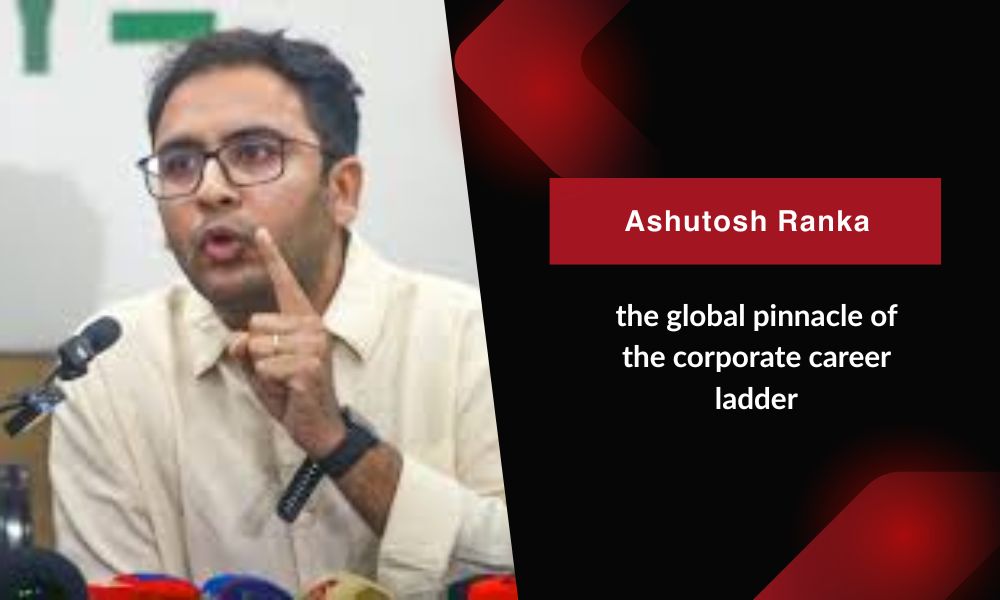
Quick Info: Base: Jaipur, Rajasthan | Profession: Former Management Consultant · Social Activist | Known For: IIT Kanpur & LSE education, McKinsey London career, leading public movements in Jaipur, CJP spokesperson
| Full Name | Ashutosh Ranka |
| Profession | Former Management Consultant · Social Activist · Spokesperson |
| Base | Jaipur, Rajasthan, India |
| Nationality | Indian |
| Education (1) | Indian Institute of Technology (IIT) Kanpur |
| Education (2) | London School of Economics (LSE) |
| Corporate Career | Consultant, McKinsey & Company — London |
| Returned to India | 2025 |
| Activism Base | Jaipur, Rajasthan |
| Movements Led | Dol Ka Badh (environmental) · Amaira suicide case · NEET paper leak campaign |
| Focus Areas | Environmental issues · education · youth issues · public accountability |
| CJP Role | Spokesperson, Cockroach Janta Party (announced June 3, 2026) |
| On June 6 Protest | Emphasised it will be a “peaceful” demonstration |
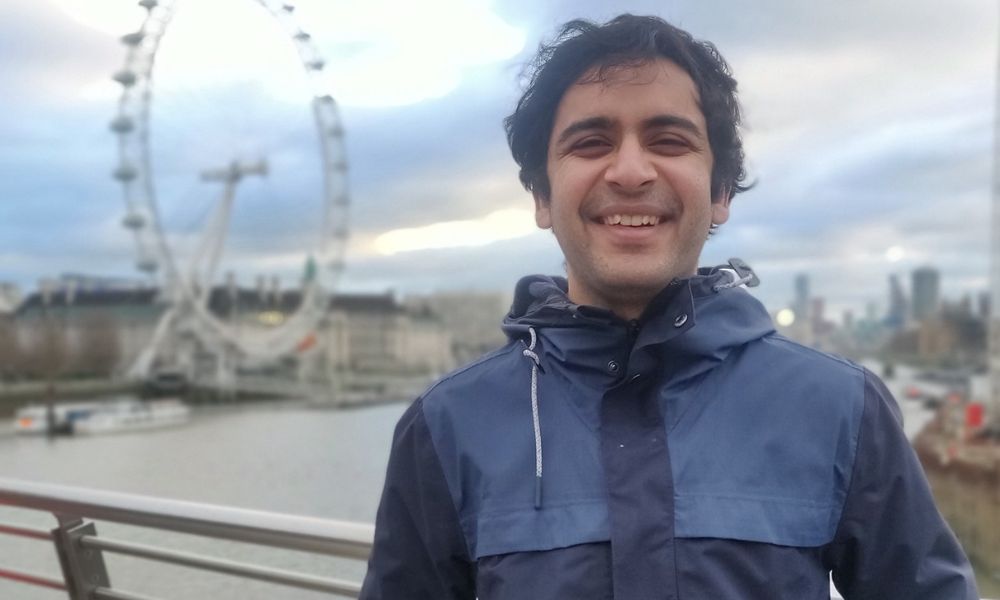
Ashutosh Ranka had what most ambitious young Indians spend their lives chasing: an IIT Kanpur degree, a London School of Economics education, and a consulting job at McKinsey & Company in London — the global pinnacle of the corporate career ladder. By every conventional measure, he had made it. And then, in 2025, he came back to India and started leading street-level public movements in Jaipur.
That trajectory — from McKinsey London to grassroots activism in Rajasthan — is the most striking thing about Ashutosh Ranka, and it is why his appointment as a Cockroach Janta Party spokesperson on June 3, 2026, carries a particular weight. Among the movement’s three public faces, Ranka is the one who walked away from elite global success to do exactly the kind of accountability work the CJP is built around. His presence tells young Indians something specific: this is not only a movement of the unemployed, but also of those who had everything and chose to fight anyway.
Education — IIT Kanpur to the London School of Economics
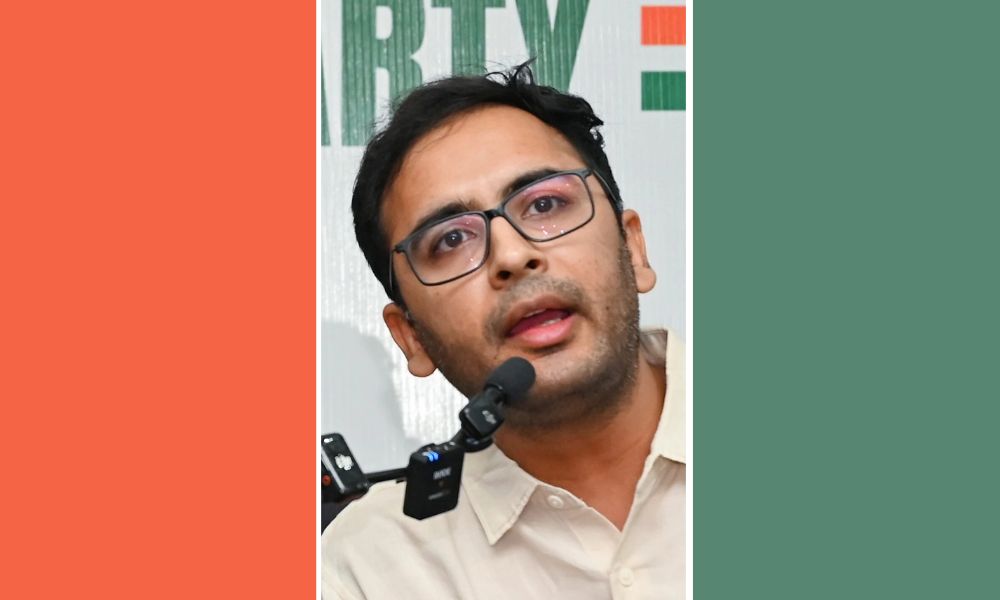
Ashutosh Ranka’s educational background places him among the most credentialed figures in the Cockroach Janta Party’s leadership.
He is an alumnus of the Indian Institute of Technology (IIT) Kanpur — one of India’s most prestigious and competitive technical institutions. An IIT Kanpur admission alone places a student among the top fraction of a percent of Indian examinees, the product of exactly the high-stakes competitive examination system that the CJP now protests over. There is a quiet resonance in an IIT graduate fronting a movement about exam fairness: he succeeded within the system and is now criticising how it treats those who do not.
He subsequently studied at the London School of Economics (LSE) — one of the world’s leading institutions for social sciences, economics, and public policy. The combination of IIT Kanpur (technical rigour) and LSE (social-science and policy depth) gave Ranka an unusually broad intellectual foundation: the analytical training of an engineer combined with the policy and economics grounding of one of the world’s top social-science schools.
This dual education is the bedrock of his later activism. Public movements on issues like education policy and environmental governance benefit enormously from leaders who can actually understand the technical and policy dimensions of what they are protesting. Ranka brings exactly that capacity.
The McKinsey Years — And the Choice to Leave
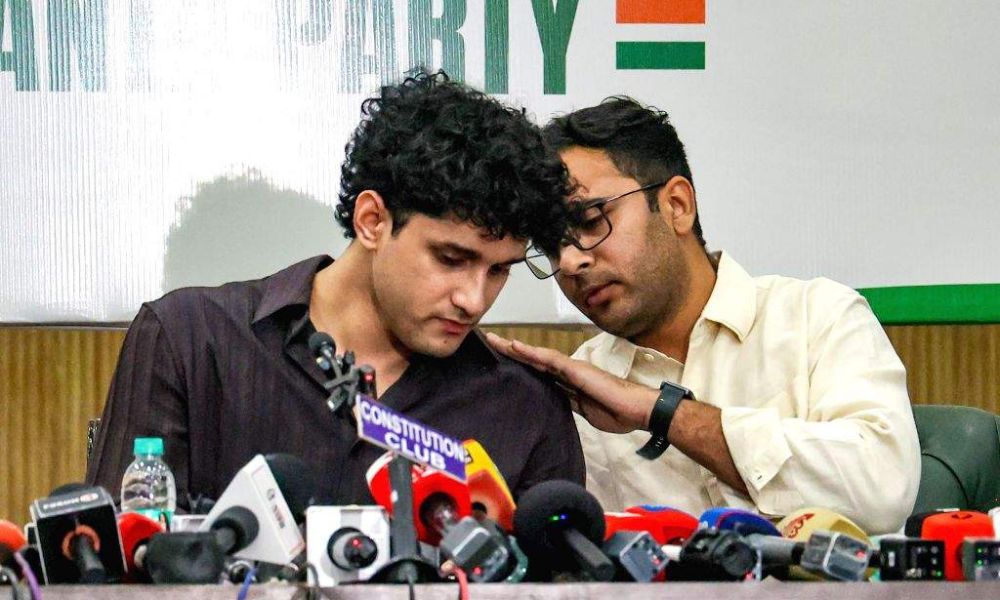
After his education, Ashutosh Ranka worked as a consultant with McKinsey & Company in London — and his decision to leave that career is central to understanding him.
McKinsey & Company is the most prestigious management-consulting firm in the world, and a consulting role there in London represents the summit of conventional career success for a globally educated young professional. It offers prestige, financial reward, and an elite professional network. For most people who reach that position, the goal is to stay and climb.
Ranka did the opposite. He returned to India in 2025 — leaving the McKinsey London career behind — and redirected his energy toward social activism in Jaipur. This is a genuinely unusual choice. The path from elite Indian education to a global consulting career to permanent emigration is one of the most well-worn routes for IIT-LSE graduates. Ranka reversed it, bringing his elite training back home and pointing it at domestic social problems rather than corporate clients.
This biography gives him a distinct credibility within the CJP. He cannot be dismissed as someone who turned to activism because he had no other options — he had the best options available and chose accountability work instead. In a movement partly defined by the establishment’s “cockroaches” insult aimed at the unemployed, Ranka is living proof that the movement’s concerns are not only those of the jobless, but of thoughtful, highly successful people who see something broken in the system.
Jaipur Activism — Dol Ka Badh, the Amaira Case & NEET
Since returning to India in 2025, Ashutosh Ranka has led several public movements in Jaipur focused on environmental, educational, and youth issues — building a grassroots activism record before joining the CJP.
According to the CJP’s own announcement, Ranka has led movements including Dol Ka Badh, the Amaira suicide case, and the NEET paper leak campaign. Each represents a different dimension of public-accountability activism:
Dol Ka Badh relates to environmental concerns — a category of activism focused on protecting natural and ecological resources, which has become an increasingly urgent civic issue across Rajasthan and India more broadly. The Amaira suicide case points to youth-welfare and justice activism — the kind of case-specific campaigning that seeks accountability when an individual tragedy reveals systemic failures. The NEET paper leak campaign connects him directly to the exact issue at the heart of the CJP’s June 6 protest: irregularities in India’s competitive examination system.
That NEET connection is the clearest bridge to his CJP role. The Cockroach Janta Party’s central June 6 demand concerns exam leaks — including the NEET-UG paper leak that reportedly affected enormous numbers of students. Ranka had already been campaigning on precisely this issue in Jaipur before the CJP named him a spokesperson. His activism record is not adjacent to the movement’s cause; it is the same cause, scaled up to a national protest.
The CJP Role — A Spokesperson Focused on Peaceful Protest
On June 3, 2026, the Cockroach Janta Party named Ashutosh Ranka as one of its three spokespersons, alongside chief spokesperson Saurav Das and researcher-filmmaker Vijeta Dahiya.
At the movement’s first press conference, Ranka’s contribution emphasised a crucial operational point: he stated that the organisers were “very clear” that the June 6 protest at Jantar Mantar would be peaceful. This focus on peaceful, lawful demonstration is significant. A viral movement transitioning to street protest faces the constant risk that its first physical gathering could turn chaotic or be portrayed as disorderly — and Ranka’s emphasis on peacefulness signals a disciplined, responsible approach to the movement’s offline debut.
His background makes him well-suited to this messaging. A McKinsey-trained consultant brings organisational discipline and an instinct for structured, professional execution — exactly the qualities needed to ensure a first major protest is well-run rather than disorderly. Where Saurav Das brings journalistic accountability and Vijeta Dahiya brings creator-economy communication, Ranka brings the operational and policy-credible dimension to the spokesperson trio.
The three appointments together reflect a deliberate strategy: the CJP assembled a journalist, a content creator, and a consultant-activist — three complementary skill sets that signal the movement’s intent to be taken seriously as it transitions from satire to organised campaign.
Lesser Known Facts About Ashutosh Ranka
- Ashutosh Ranka is an alumnus of IIT Kanpur — one of India’s most prestigious technical institutions.
- He also studied at the London School of Economics (LSE) — a leading global social-science and policy institution.
- He worked as a consultant at McKinsey & Company in London — the summit of the global management-consulting career.
- He returned to India in 2025, leaving his London consulting career to pursue social activism.
- He is based in Jaipur, Rajasthan, where he has led several public movements.
- He led activism on Dol Ka Badh — an environmental cause.
- He was involved in campaigning on the Amaira suicide case — a youth-welfare and justice issue.
- He led a NEET paper leak campaign — directly connected to the exam-irregularity issue at the heart of the CJP’s June 6 protest.
- He was named a spokesperson of the Cockroach Janta Party on June 3, 2026.
- At the CJP’s first press conference, he emphasised that the June 6 protest would be peaceful.
- Among the three CJP spokespersons, he brings the corporate-consulting and policy-credible dimension to the team.
- His career path — from elite global success to grassroots Indian activism — reverses the usual IIT-to-abroad trajectory.
3 Things Most Articles About Ashutosh Ranka Miss
1. His reverse-migration story is the most powerful thing about him — and it reframes the entire movement. The standard narrative of the CJP is that it represents the unemployed and the dismissed — the “cockroaches” of the CJI’s insult. Ashutosh Ranka complicates and strengthens that narrative. Here is someone who reached McKinsey London — the absolute summit of conventional success — and chose to come back and fight for accountability in India. His presence proves the movement’s concerns are not just the grievances of the failed, but the convictions of the most successful. That is a far more formidable kind of legitimacy.
2. An IIT graduate protesting exam unfairness is a profound and underexplored irony. Ranka succeeded at the highest level of India’s competitive examination system — IIT Kanpur admission is the dream that the NEET and other exams promise. Yet he is now fronting a movement about exam leaks and irregularities. This is not hypocrisy; it is moral authority. Someone who won within the system, and still believes it is broken and unfair, is far harder to dismiss than someone protesting a system they failed in. His critique cannot be waved away as sour grapes.
3. He provides the operational backbone the movement needs to survive its offline transition. Viral movements routinely collapse when they try to move from online to offline — they lack the organisational discipline to run real-world events. A McKinsey-trained consultant who has already led multiple grassroots campaigns in Jaipur brings exactly the execution capability the CJP needs. His emphasis on a “peaceful” June 6 protest is not just messaging; it reflects an organiser who understands that the movement’s credibility depends on disciplined, well-run demonstrations. He may be the most operationally important of the three spokespersons.
FAQ — What People Are Searching About Ashutosh Ranka
Who is Ashutosh Ranka?
Ashutosh Ranka is an Indian social activist and former management consultant, based in Jaipur, Rajasthan. He is an alumnus of IIT Kanpur and the London School of Economics and previously worked as a consultant at McKinsey & Company in London. He returned to India in 2025 and has led several public movements in Jaipur on environmental, educational, and youth issues. On June 3, 2026, he was named a spokesperson of the Cockroach Janta Party ahead of its June 6 Jantar Mantar protest.
What is Ashutosh Ranka’s educational background?
Ashutosh Ranka studied at the Indian Institute of Technology (IIT) Kanpur and the London School of Economics (LSE) — two of the most prestigious institutions in India and the world respectively. This combination gave him a foundation spanning technical analysis (IIT) and social science, economics, and public policy (LSE).
Why did Ashutosh Ranka leave McKinsey?
Ashutosh Ranka worked as a consultant at McKinsey & Company in London — a peak of conventional career success — before returning to India in 2025 to pursue social activism. While his personal reasons are not detailed in public sources, the choice to leave an elite global consulting career for grassroots accountability work in Jaipur reflects a deliberate redirection toward domestic social issues over corporate success.
What movements has Ashutosh Ranka led?
Since returning to India in 2025, Ashutosh Ranka has led several public movements in Jaipur, including Dol Ka Badh (an environmental cause), the Amaira suicide case (a youth-welfare and justice issue), and a NEET paper leak campaign. The NEET campaign directly connects to the exam-irregularity issue at the heart of the Cockroach Janta Party’s June 6 protest.
What is Ashutosh Ranka’s role in the Cockroach Janta Party?
Ashutosh Ranka is one of three spokespersons of the Cockroach Janta Party, appointed on June 3, 2026, alongside chief spokesperson Saurav Das and researcher-filmmaker Vijeta Dahiya. At the CJP’s first press conference, Ranka emphasised that the June 6 protest at Jantar Mantar would be peaceful, reflecting the operational discipline he brings from his consulting and activism background.
Ashutosh Ranka climbed the entire ladder — IIT Kanpur, the London School of Economics, McKinsey & Company in London — and then, in 2025, climbed back down to lead street movements in Jaipur. It is the opposite of the journey most of his peers make, and it is precisely what gives him his authority. He is not fighting the system because it failed him; he is fighting it because he succeeded in it and still found it unjust.
As a Cockroach Janta Party spokesperson, Ranka brings something the movement badly needs as it leaves the internet for the streets: operational discipline, policy credibility, and a biography that no one can dismiss. When he insists the June 6 protest will be peaceful, it is the voice of someone trained to make complex operations work. The unemployed and the dismissed are the movement’s heart — but Ashutosh Ranka is proof that its concerns reach all the way to the top of the ladder he chose to leave.
Also Read: Vijeta dahiya