Ajit Doval — Biography, Age, Spy Career, National Security Advisor Role & Latest 2026

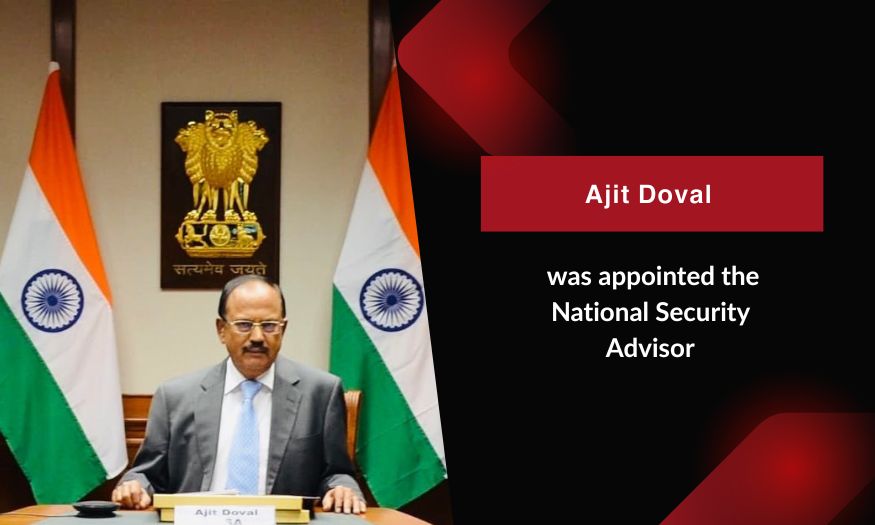
Quick Info: Born: 1945, Uttarakhand | Role: National Security Advisor (NSA) to the PM of India — 5th & current | Background: Retired IPS officer (Kerala cadre) · ex-Intelligence Bureau chief | Known For: India’s youngest Kirti Chakra recipient · the strategy behind the 2016 surgical strikes & 2019 Balakot airstrikes
| Full Name | Ajit Kumar Doval |
| Profession | National Security Advisor · Retired IPS Officer · Former Intelligence Officer |
| Year of Birth | 1945 |
| Age (as of 2026) | 80–81 Years |
| Birthplace | Pauri Garhwal district, Uttarakhand, India |
| Nationality | Indian |
| Education | Master’s in Economics — University of Agra · Ajmer Military School |
| Service | Indian Police Service (IPS), 1968 batch — Kerala cadre |
| Current Role | National Security Advisor to the Prime Minister of India (5th & current; since 2014) |
| Past Role | Director, Intelligence Bureau (IB), 2004–05 · Founding Director, Vivekananda International Foundation |
| Top Gallantry Award | Kirti Chakra — India’s youngest recipient (first police officer to receive it) |
| Other Honour | Indian Police Medal · President’s Police Medal |
| Reputation | Often called India’s “James Bond” / “Super Cop” |
| Key Operations Linked | 2016 surgical strikes · 2019 Balakot airstrikes · Doklam stand-off resolution |
| Service Rank | Holds Cabinet rank as NSA |
| Years Active | 1968 – present |
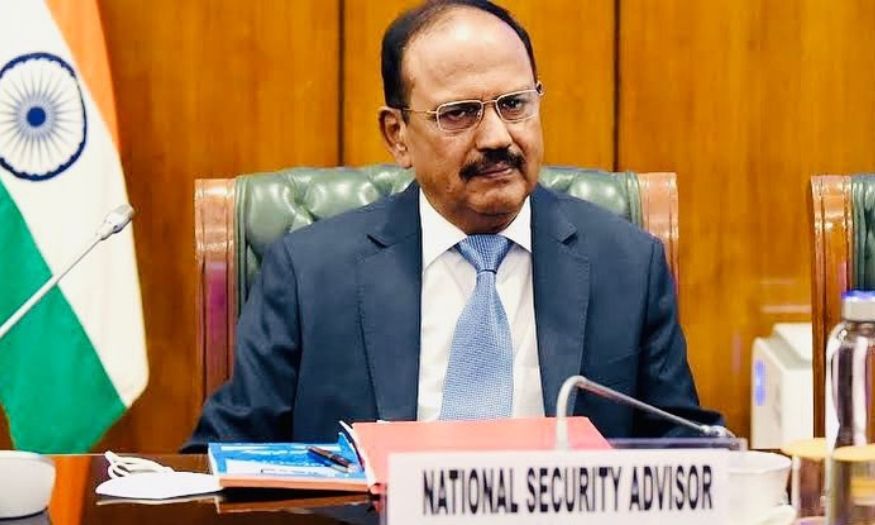
For seven years, Ajit Doval lived undercover in Pakistan. Decades later, he would become the most powerful security official in India — the strategist widely associated with the country’s most dramatic cross-border military operations. Few people in any government anywhere have travelled from deep-cover field espionage to the very top table of national power. Ajit Doval has done exactly that.
Now in his eighties and still serving as India’s National Security Advisor, Doval is among the most influential and closely watched figures in the Indian government — admired by supporters as a master strategist, scrutinised by critics over the muscular security doctrine he represents. This is his full story: the legendary spy years, the rise to NSA, the operations he is linked to, and where he stands in 2026.
Early Life & Education
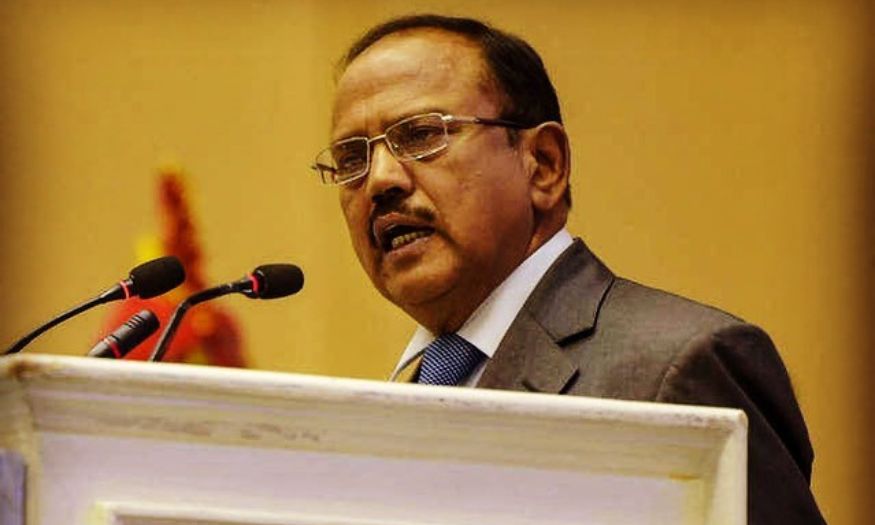
Ajit Kumar Doval was born in 1945 in the Pauri Garhwal district of Uttarakhand (then part of the United Provinces), into a family with a military background — his father served in the Indian Army. This upbringing, steeped in service and discipline, shaped his path toward a career in the country’s security apparatus.
He received his early education at the Ajmer Military School, a strong foundation for a life in uniform. He went on to earn a Master’s degree in Economics from the University of Agra, demonstrating the academic ability that would later complement his operational instincts. The combination of a military-school grounding and a strong academic record set him up for one of India’s most competitive career paths.
In 1968, Doval joined the Indian Police Service (IPS) as part of the Kerala cadre. It was an entry into public service that would, over the following decades, take him far from conventional policing and into the secretive world of intelligence — where he would build the reputation that defines him.
The Legendary Spy Career — Including Seven Years Undercover
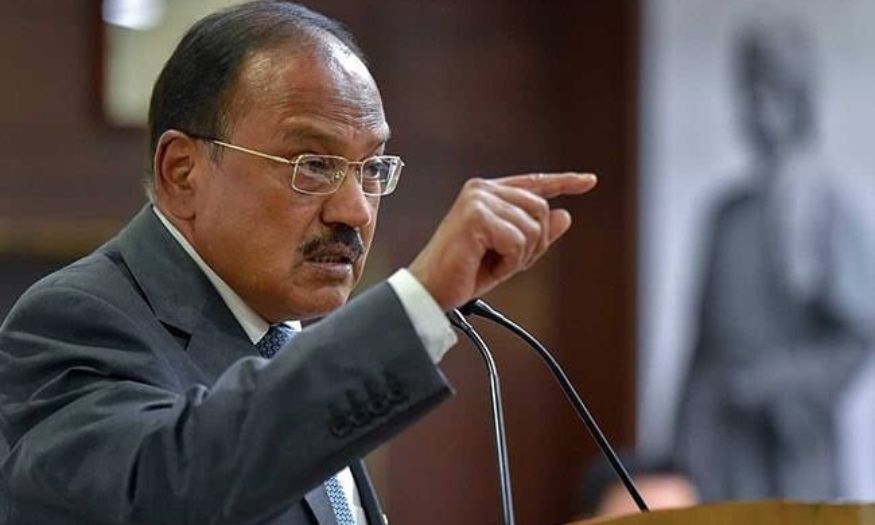
Ajit Doval’s reputation as a near-mythical intelligence figure rests on an operational career of remarkable daring, most of it spent with the Intelligence Bureau, India’s domestic intelligence agency.
The most famous detail of his career is that he reportedly spent around seven years operating undercover in Pakistan — living in disguise in hostile territory, an assignment of extraordinary personal risk. This single fact, more than any other, cemented his legend and earned him comparisons to a real-life spy out of fiction.
His operational record spans many of India’s most sensitive internal-security challenges. He was deeply involved in counter-insurgency and counter-terrorism work across decades — in the North East, in Punjab during the militancy era, and in Jammu & Kashmir. He is widely reported to have played key roles in operations including the handling of militancy in Punjab (linked to Operation Black Thunder at the Golden Temple) and in defusing hijacking and hostage crises. His success in turning militants and gathering human intelligence became part of his professional lore.
His courage was formally recognised early: Doval became the youngest recipient of the Kirti Chakra, one of India’s highest peacetime gallantry awards — and notably the first police officer to receive it, an honour more typically given to military personnel. He rose to become the Director of the Intelligence Bureau, the agency’s top post, retiring from that role in 2005 after a 33-year career.
Between Retirement & Power — The Think Tank Years
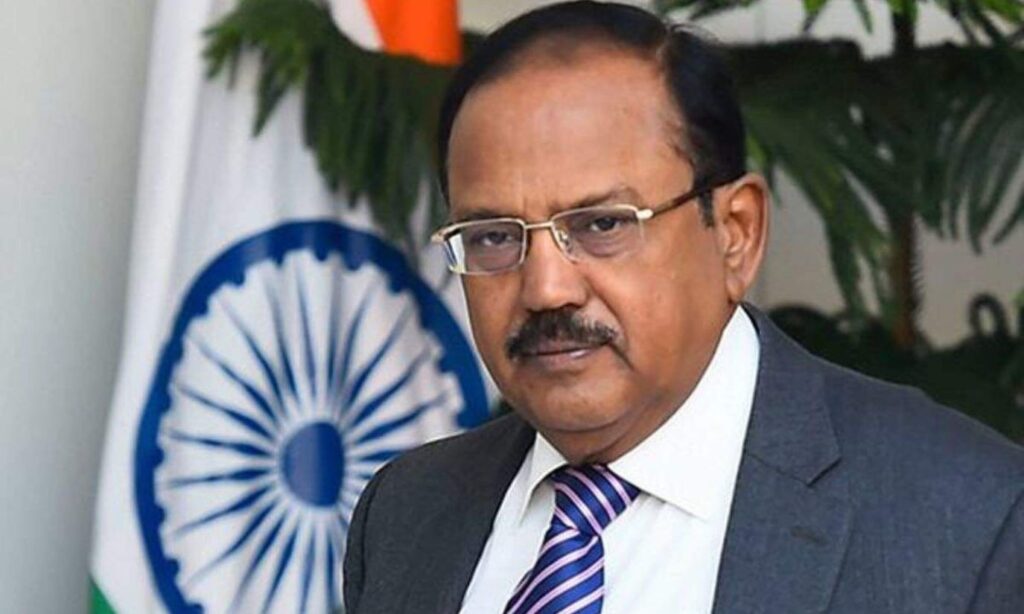
Doval’s retirement from the IB in 2005 was not the end of his public influence — it was a transition into the world of strategic thought and policy.
After retiring, he founded and led the Vivekananda International Foundation (VIF), a New Delhi-based think tank focused on national security, foreign policy, and governance. Through the VIF, Doval remained a prominent voice on strategic affairs, regularly writing articles and delivering lectures on security and foreign-policy issues. He articulated a distinct, assertive school of strategic thinking — including ideas about shifting from a defensive to a more proactive security posture.
These years kept him intellectually central to India’s security debates even while out of government, and they built the doctrinal foundation that he would later be positioned to implement. When a new government took office in 2014, Doval was a natural and prominent choice for the country’s top security advisory role.
National Security Advisor — The Role & The Operations
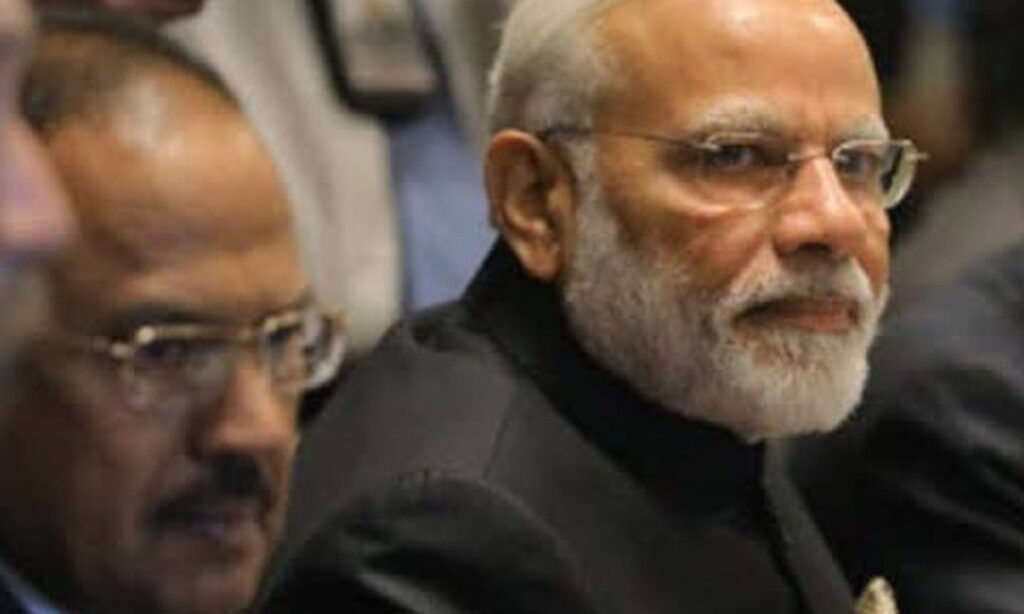
In 2014, Ajit Doval was appointed the National Security Advisor (NSA) to Prime Minister Narendra Modi — the fifth person to hold the post, and the one who has held it longest and most prominently.
As NSA, Doval is the Prime Minister’s chief adviser on national and international security, overseeing intelligence coordination, strategic planning, and crisis management. The role carries Cabinet rank, reflecting its seniority. He has become an unusually visible and powerful NSA, widely regarded as one of the most influential figures in the government’s security and foreign-policy machinery.
His tenure is associated with several of India’s most high-profile military actions. The September 2016 “surgical strikes” across the Line of Control and the February 2019 Balakot airstrikes inside Pakistan — both responses to terror attacks — were conducted under his supervision as NSA, according to widely cited accounts. He is also credited with playing a key role in managing the 2017 Doklam stand-off with China. These episodes define the assertive, proactive security posture associated with his name.
His current work is extensively diplomatic as well as operational. In 2025 and 2026 he has been a central figure in India’s strategic diplomacy — meeting Chinese Foreign Minister Wang Yi in Beijing, leading dialogue on the India-China boundary question as Special Representative, and engaging counterparts across Russia, the US, and the region.
Latest Activity in 2026
As of mid-2026, Ajit Doval remains very much in post and highly active on the world stage — confirming his continued centrality to Indian security policy.
In recent months he has maintained an intense diplomatic schedule. He participated in the International Security Forum in Moscow on May 28, 2026, where he met Sergei Shoigu, Secretary of Russia’s Security Council, and spoke on counter-terrorism and the security of global trade routes, including the Strait of Hormuz and the Red Sea. In June 2026, he met Nepal’s Foreign Minister Shisir Khanal in New Delhi to discuss bilateral ties. Earlier in February 2026, he visited Canada, meeting his Canadian counterpart Nathalie Drouin — a notable engagement given recent India-Canada tensions. In April 2026, he delivered a notable address at Rashtriya Raksha University, emphasising the “willpower” of a nation’s people as central to its security.
He has also featured in legal news abroad: a US court ruled that process servers hired by Khalistani separatist Gurpatwant Singh Pannun had failed to properly deliver a court summons to Doval in a civil case, a matter India has consistently rejected. The Ministry of External Affairs separately dismissed a media report claiming Doval had met US official Marco Rubio, stating no such meeting took place. These items reflect both his prominence and the scrutiny that surrounds him.
Lesser Known Facts About Ajit Doval
- Ajit Doval reportedly spent around seven years undercover in Pakistan during his intelligence career.
- He was the youngest person and the first police officer to receive the Kirti Chakra, a top peacetime gallantry award.
- He was born in 1945 in the Pauri Garhwal district of Uttarakhand, into a family with an Army background.
- He studied at the Ajmer Military School and holds a Master’s in Economics from the University of Agra.
- He joined the IPS in 1968 as part of the Kerala cadre.
- He served as Director of the Intelligence Bureau, retiring from the post in 2005 after a 33-year career.
- After retiring, he founded the Vivekananda International Foundation, a strategic-affairs think tank.
- He became India’s 5th National Security Advisor in 2014 and holds Cabinet rank.
- The 2016 surgical strikes and 2019 Balakot airstrikes were conducted under his supervision, per widely cited accounts.
- He is often nicknamed India’s “James Bond” or “Super Cop” in the media.
- He serves as India’s Special Representative for the India-China boundary talks.
- In 2026 he has met counterparts in Russia, Canada, Nepal, and China, maintaining a heavy diplomatic schedule into his eighties.
3 Things Most Articles About Ajit Doval Miss
1. He is a rare example of a field spy who rose to set national strategy. Most intelligence officers spend their careers in the shadows and retire there. Doval did the opposite: he went from years of deep-cover, high-risk fieldwork — including undercover in Pakistan — to the very top of national policymaking as NSA. That arc, from running operations to designing the doctrine behind them, is exceptionally unusual. The “super spy” stories often overshadow the more significant fact that he became the architect, not just the operative.
2. His think-tank years are the underrated bridge between his two careers. The decade between his IB retirement (2005) and becoming NSA (2014) is usually skipped over, but it was crucial. At the Vivekananda International Foundation, Doval developed and publicly articulated a distinct, assertive strategic doctrine — the intellectual framework he would later be positioned to put into practice. His operational legend and his policy influence are connected by those years of strategic writing and thinking, not separate from them.
3. He is a genuinely polarising figure — and an honest profile holds both views. To admirers, Doval is a master strategist who restored deterrence and made India’s security posture more assertive and effective. To critics, the muscular doctrine he represents raises real debates about regional stability, civil-military balance, and accountability. Both readings exist in serious commentary. Presenting only the heroic “super cop” image — or only the critique — misses that his significance lies precisely in how consequential and contested his approach to national security has been.
Also Read: Vijeta Dhaia
FAQ — What People Are Searching About Ajit Doval
Who is Ajit Doval?
Ajit Kumar Doval (born 1945, Uttarakhand) is the fifth and current National Security Advisor (NSA) to the Prime Minister of India, a position he has held since 2014. A retired IPS officer of the Kerala cadre, he is a former Director of the Intelligence Bureau and a celebrated former intelligence operative — reportedly spending around seven years undercover in Pakistan. He is widely associated with India’s 2016 surgical strikes and 2019 Balakot airstrikes.
Why is Ajit Doval called India’s James Bond?
Ajit Doval earned the “James Bond” and “Super Cop” nicknames because of his daring intelligence career, which reportedly included around seven years operating undercover in Pakistan, deep involvement in counter-terrorism and counter-insurgency operations, and a reputation for high-risk fieldwork. He was also the youngest and first police officer to receive the Kirti Chakra, a top gallantry award, adding to his real-life-spy reputation.
What operations is Ajit Doval associated with?
As National Security Advisor, Ajit Doval supervised India’s September 2016 surgical strikes across the Line of Control and the February 2019 Balakot airstrikes inside Pakistan, both responses to terror attacks. He is also credited with helping manage the 2017 Doklam stand-off with China. Earlier, during his intelligence career, he was involved in operations in Punjab, the North East, and Jammu & Kashmir.
Is Ajit Doval still the NSA in 2026?
Yes. As of mid-2026, Ajit Doval remains India’s National Security Advisor and is highly active, maintaining a heavy diplomatic schedule. In recent months he attended the International Security Forum in Moscow (May 2026), met Nepal’s Foreign Minister in New Delhi (June 2026), and visited Canada (February 2026), among other engagements.
What is Ajit Doval’s educational background?
Ajit Doval studied at the Ajmer Military School and earned a Master’s degree in Economics from the University of Agra. He joined the Indian Police Service (IPS) in 1968 as part of the Kerala cadre, beginning the career that would lead him into the Intelligence Bureau and, eventually, the role of National Security Advisor.
Ajit Doval’s life spans the full arc of India’s security story — from a young IPS officer and undercover operative taking extraordinary personal risks in the field, to the strategist sitting at the Prime Minister’s side as the architect of the country’s modern security doctrine. Few careers in any nation combine such daring operational history with such sustained policymaking power.
In his eighties, he remains at the centre of Indian statecraft — shaping the response to terror attacks, steering sensitive talks with China, and crisscrossing the globe on diplomatic missions. He is celebrated by many as a master strategist and debated by others over the assertive doctrine he embodies. But on the basic facts, there is no dispute: Ajit Doval is one of the most consequential security figures India has ever produced, and his influence on the country’s strategic posture is likely to be studied for decades to come.