Ranu Mondal — Biography, the Viral Railway Singer’s Rise, Fall & Where She Is Now (2026)

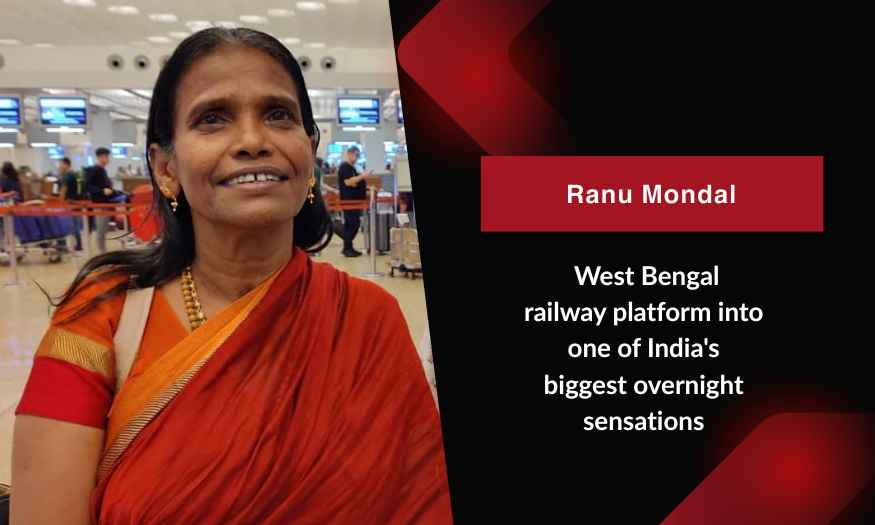
Quick Info: Born: Krishnanagar/Nadia, West Bengal | Profession: Singer | Famous For: Singing “Ek Pyaar Ka Nagma” at Ranaghat railway station (2019) · “Teri Meri Kahani” with Himesh Reshammiya | Now: Living quietly in Ranaghat, reportedly in difficult circumstances
Note: This article covers a real person whose recent circumstances are reported to be difficult, including her health. It tells her story factually and with respect, and does not sensationalise her hardship.
| Full Name | Ranu Mondal (also spelled Ranu Mandal; reported as Ranu Maria Mondal) |
| Profession | Singer (playback & viral sensation) |
| Reported Age | Around 60s (reported as 59 at the time of her 2019 fame) |
| Birthplace | Krishnanagar, Nadia district, West Bengal, India |
| Current Base | Ranaghat, near Kolkata, West Bengal |
| Nationality | Indian |
| Late Husband | Bablu Mondal (married 1979; died 1986) |
| How She Became Famous | A viral video of her singing at Ranaghat railway station (2019) |
| Signature Viral Song | “Ek Pyaar Ka Nagma Hai” (Lata Mangeshkar classic) |
| Big Break | “Teri Meri Kahani” — with Himesh Reshammiya, for Happy Hardy and Heer (2020) |
| Other Recordings | “Aadat,” “Aashiqui Mein Teri 2.0”; a Bengali single with Hero Alom (2022) |
| TV Appearances | Indian Idol 11 · Superstar Singer (with Himesh Reshammiya) |
| Years Active | 2019 – present (fame largely 2019–2020) |
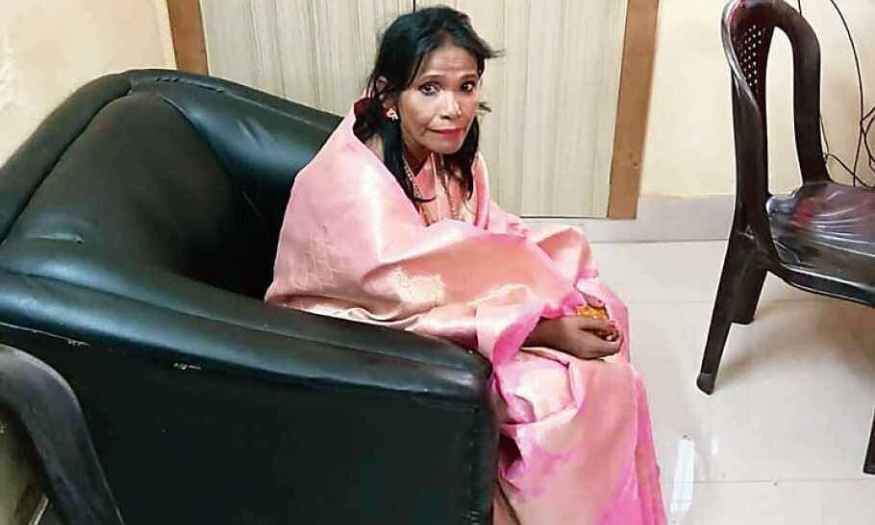
In the summer of 2019, a shaky mobile video turned a poor, unknown woman singing on a West Bengal railway platform into one of India’s biggest overnight sensations. Ranu Mondal’s haunting rendition of Lata Mangeshkar’s “Ek Pyaar Ka Nagma Hai,” recorded by a passer-by at Ranaghat station, spread across the country in days. Within weeks she was in a Mumbai studio recording with Himesh Reshammiya. It was a fairy tale — the kind the internet loves.
But the rest of her story is a harder, more honest lesson about the nature of viral fame. As quickly as the spotlight found Ranu Mondal, it moved on. By 2026, reports describe her back in Ranaghat in difficult circumstances. Her journey — from platform to Bollywood and back again — is one of the most striking and sobering arcs of India’s social-media age. This is her full story, told with the dignity it deserves.
Early Life — A Hard Road Long Before Fame
Ranu Mondal was born in Krishnanagar, in the Nadia district of West Bengal. Her life, long before any viral video, was marked by hardship. She married Bablu Mondal in 1979, but was widowed in 1986 when he died — leaving her to face life largely on her own at a relatively young age.
In the decades that followed, Ranu lived in deep poverty, reportedly spending long stretches around the Ranaghat railway station area. It was there, singing to herself and to passers-by, that she kept alive a genuine musical gift — one shaped by a lifelong love of the classic Hindi songs of Lata Mangeshkar and the golden age of Bollywood playback music. She had real talent, but no platform, no connections, and no obvious path out of poverty.
This long backstory matters, because the viral video that made her famous did not capture a casual street performer — it captured a woman who had been quietly carrying a remarkable voice through years of struggle. Understanding the hardship that preceded her fame is essential to understanding both why her story moved people so deeply and why what came afterward was so difficult.
The Viral Moment — “Ek Pyaar Ka Nagma” at Ranaghat Station
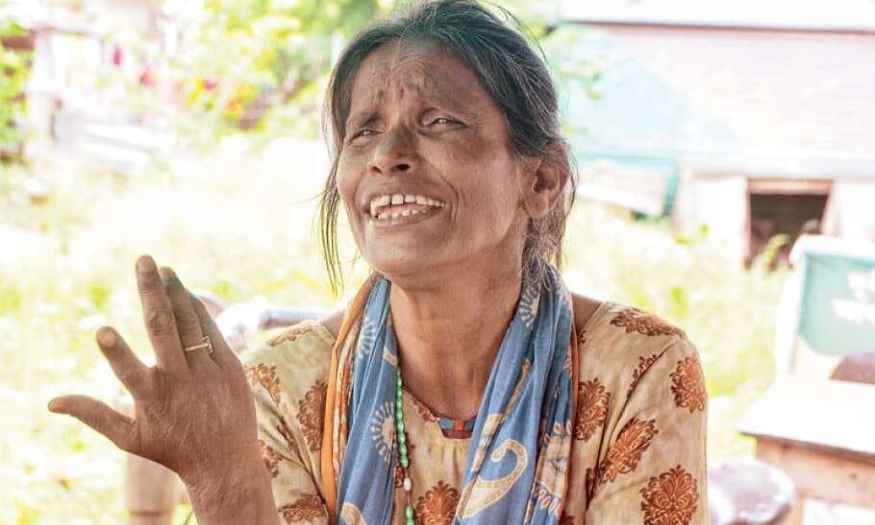
Ranu Mondal’s life changed in 2019 when a passer-by filmed her singing at the Ranaghat railway station and posted it online.
The song was “Ek Pyaar Ka Nagma Hai,” a beloved Lata Mangeshkar classic. Sitting at the station in ordinary, worn clothes, Ranu delivered a rendition so unexpectedly soulful and accurate that viewers were stunned. The contrast between her humble surroundings and the quality of her voice was electric — and it struck a deep chord with a nation that loves both music and an against-the-odds story.
The video went viral with extraordinary speed. Within days, “the station singer” was a household phrase, her clip shared millions of times across social media. People were moved by the idea that a hidden talent had been sitting unnoticed on a railway platform all along. For a few remarkable weeks in 2019, Ranu Mondal was one of the most talked-about people in India — a real-life embodiment of the dream that anyone, anywhere, might be discovered.
The Big Break — Himesh Reshammiya & Bollywood

The viral fame quickly brought a genuine opportunity, when music composer Himesh Reshammiya stepped in to give Ranu Mondal a real shot at a singing career.
Reshammiya invited her to Mumbai, where he was then a judge on the reality show Indian Idol 11. Ranu appeared on the show’s stage — her first encounter with the glamour and spotlight of the entertainment industry — and the moment was widely celebrated as a rags-to-riches dream coming true. She also appeared on Superstar Singer, another show Reshammiya was associated with.
Most significantly, Reshammiya gave her actual studio work. She recorded “Teri Meri Kahani” for his film Happy Hardy and Heer (2020) — her signature professional song — followed by other tracks including “Aadat” and “Aashiqui Mein Teri 2.0.” She later recorded a Bengali single with Bangladeshi artist Hero Alom in 2022. She even performed at a concert in Abu Dhabi alongside Reshammiya as part of UAE National Day celebrations. For a brief period, it genuinely appeared that Ranu Mondal had crossed over from viral curiosity to working playback singer.
The Fade — How the Fame Slipped Away
Despite the dream opening, Ranu Mondal’s moment in the spotlight proved short-lived — and her story became a cautionary tale about the nature of viral fame.
Within months, the intense public attention began to dissipate. The internet, always hungry for the next sensation, moved on to new viral stars. The work opportunities that had seemed so promising slowed and then largely stopped. Without a sustained support structure, professional management, or the industry foundations that a long-term singing career requires, Ranu was unable to convert a viral moment into lasting stability.
There were also difficult public episodes during her brief fame that drew criticism and complicated her image, and the relentless, often intrusive nature of the attention took a visible toll. By the time the spotlight had fully moved on, she had quietly returned to Ranaghat — to the modest, difficult life she had come from. The fairy tale, in the end, did not have the ending the internet had imagined for it.
This fade is the heart of her story’s lesson. Viral fame can lift someone out of obscurity overnight, but it rarely comes with the lasting support needed to build a real, sustainable life — and for someone as vulnerable as Ranu, the sudden rise and equally sudden abandonment were especially hard.
Where Is Ranu Mondal Now? (Latest 2026)
As of the most recent reports in 2026, Ranu Mondal is living back in Ranaghat, near Kolkata, in circumstances that have prompted real public concern.
Recent accounts — including videos shared by visiting YouTubers — describe her living in a dilapidated home and facing serious hardship, reportedly struggling for basic necessities and depending on the kindness of neighbours and well-wishers for food and support. Multiple reports indicate that her mental and physical health are not good. A widely circulated 2025 clip showing her in a delivery-company T-shirt sparked fresh waves of public concern about her wellbeing.
It is worth noting, with some discomfort, that part of the renewed attention has come from content creators filming her difficult situation for views — a dynamic that raises real questions about how a vulnerable person at the centre of a viral story should be treated. The kinder coverage has focused on her wellbeing and called for genuine, sustained help rather than another fleeting wave of clicks.
Her story has also been deemed significant enough that a biopic, reportedly titled “Platform Singer Ranu Mondal,” has been discussed, with acclaimed Bengali actress Sudipta Chakraborty approached for the role — a sign that her remarkable, bittersweet journey continues to resonate as one of the defining viral stories of the era.
Lesser Known Facts About Ranu Mondal
- Ranu Mondal was born in Krishnanagar, Nadia district, West Bengal — not in Ranaghat, where she became famous.
- She was widowed in 1986, when her husband Bablu Mondal died, just a few years after their 1979 marriage.
- She lived in poverty for decades before her 2019 viral moment — she was not a casual performer but a long-struggling one.
- Her viral song was Lata Mangeshkar’s “Ek Pyaar Ka Nagma Hai,” sung at Ranaghat railway station.
- Her signature professional recording was “Teri Meri Kahani” for the film Happy Hardy and Heer (2020), with Himesh Reshammiya.
- She also recorded “Aadat” and “Aashiqui Mein Teri 2.0,” and a 2022 Bengali single with Hero Alom.
- She appeared on Indian Idol 11 and Superstar Singer, and performed at a concert in Abu Dhabi.
- She was reported to be around 59 years old at the time of her 2019 fame.
- Her fame faded within months, and she returned to Ranaghat.
- A widely shared 2025 video showed her in a delivery-company T-shirt, renewing public concern.
- Reports in 2026 describe her living in difficult circumstances and poor health, dependent on neighbours’ help.
- A biopic about her life has reportedly been in discussion, with Sudipta Chakraborty approached for the lead.
3 Things Most Articles About Ranu Mondal Miss
1. The hardship came before the fame, not just after it — and that reframes everything. Many stories treat Ranu as someone who “fell” from stardom. The fuller truth is that she lived in deep poverty for decades before 2019; the viral video was a brief interruption in a hard life, not the cause of it. Seeing her as a person who carried a beautiful voice through long struggle — rather than just a star who faded — is both more accurate and more humane. Her story is less “rise and fall” than “a hard life, briefly and incompletely touched by fame.”
2. Her story is really a critique of viral fame itself. The most important lesson of Ranu Mondal’s journey is not about her — it is about the machine that lifted and then dropped her. Viral fame is extraordinarily good at generating sudden attention and extraordinarily poor at providing lasting support. It can pluck a vulnerable person from obscurity, extract weeks of entertainment from their story, and then move on, leaving them more exposed than before. Ranu’s arc is one of the clearest cautionary tales of how the internet’s attention economy can fail the very people it elevates.
3. The ongoing filming of her hardship raises a real ethical question. Some of the renewed attention on Ranu comes from creators documenting her difficult circumstances for views. This deserves to be named honestly: there is a meaningful difference between coverage that genuinely seeks help for a vulnerable person and content that profits from her distress. The most responsible way to engage with her story now is to focus on her dignity and wellbeing — and to ask whether sustained, structural support, rather than another viral cycle, is what she actually needs.
FAQ — What People Are Searching About Ranu Mondal
Who is Ranu Mondal?
Ranu Mondal is an Indian singer from West Bengal who became an overnight viral sensation in 2019 after a video of her singing Lata Mangeshkar’s “Ek Pyaar Ka Nagma Hai” at the Ranaghat railway station spread across social media. Discovered living in poverty, she was given a Bollywood break by composer Himesh Reshammiya, recording “Teri Meri Kahani” for the film Happy Hardy and Heer (2020).
What is Ranu Mondal’s most famous song?
Ranu Mondal is best known for her viral rendition of “Ek Pyaar Ka Nagma Hai” at the railway station. Her most famous professionally recorded song is “Teri Meri Kahani,” composed by Himesh Reshammiya for the 2020 film Happy Hardy and Heer. She also recorded “Aadat” and “Aashiqui Mein Teri 2.0,” among other tracks.
Where is Ranu Mondal now in 2026?
As of the most recent reports in 2026, Ranu Mondal is living in Ranaghat, near Kolkata, in difficult circumstances. Accounts describe her residing in a dilapidated home and facing hardship, with reports indicating her mental and physical health are not good and that she depends on neighbours and well-wishers for support. Her situation has prompted public concern about the wellbeing of viral sensations.
How did Ranu Mondal become famous?
Ranu Mondal became famous in 2019 when a passer-by filmed her singing at the Ranaghat railway station in West Bengal and posted the video online. Her soulful rendition of “Ek Pyaar Ka Nagma Hai,” contrasted with her humble circumstances, struck a chord nationwide, and the video went viral within days — leading to a Bollywood opportunity with Himesh Reshammiya.
What happened to Ranu Mondal’s career?
Ranu Mondal’s career faded within months of her 2019 rise. Despite recording songs with Himesh Reshammiya and appearing on TV shows, the work opportunities slowed as public attention moved on, and without sustained support she was unable to build a lasting singing career. She eventually returned to Ranaghat. Her story is widely cited as a cautionary tale about the fleeting nature of viral fame.
Ranu Mondal’s journey is one of the most memorable and sobering stories of India’s social-media age. For a few weeks in 2019, she was a national symbol of hope — proof, it seemed, that talent could be discovered anywhere, even on a railway platform, and that the internet could change a life overnight. Her voice was real, her talent genuine, and the joy people felt at her discovery was sincere.
But the deeper truth her story reveals is that going viral is not the same as being supported. The attention that lifted Ranu so high moved on just as fast, and she returned to a hard life made harder by the glimpse of what might have been. As reports of her current struggles continue, the most meaningful response is not another wave of fleeting clicks, but genuine concern for a woman whose remarkable voice deserved better than the brief, bright, and ultimately unkept promise of viral fame.
If you wish to support figures like Ranu Mondal, consider verified, reputable charitable channels rather than relying on viral appeals.